Runyon Canyon: How a Fight for Open Space Created Hollywood’s Famous Urban Park |
Before the canyon became one of the city’s best-known hikes, its future was tied to development fights, preservation and the value of open space. |
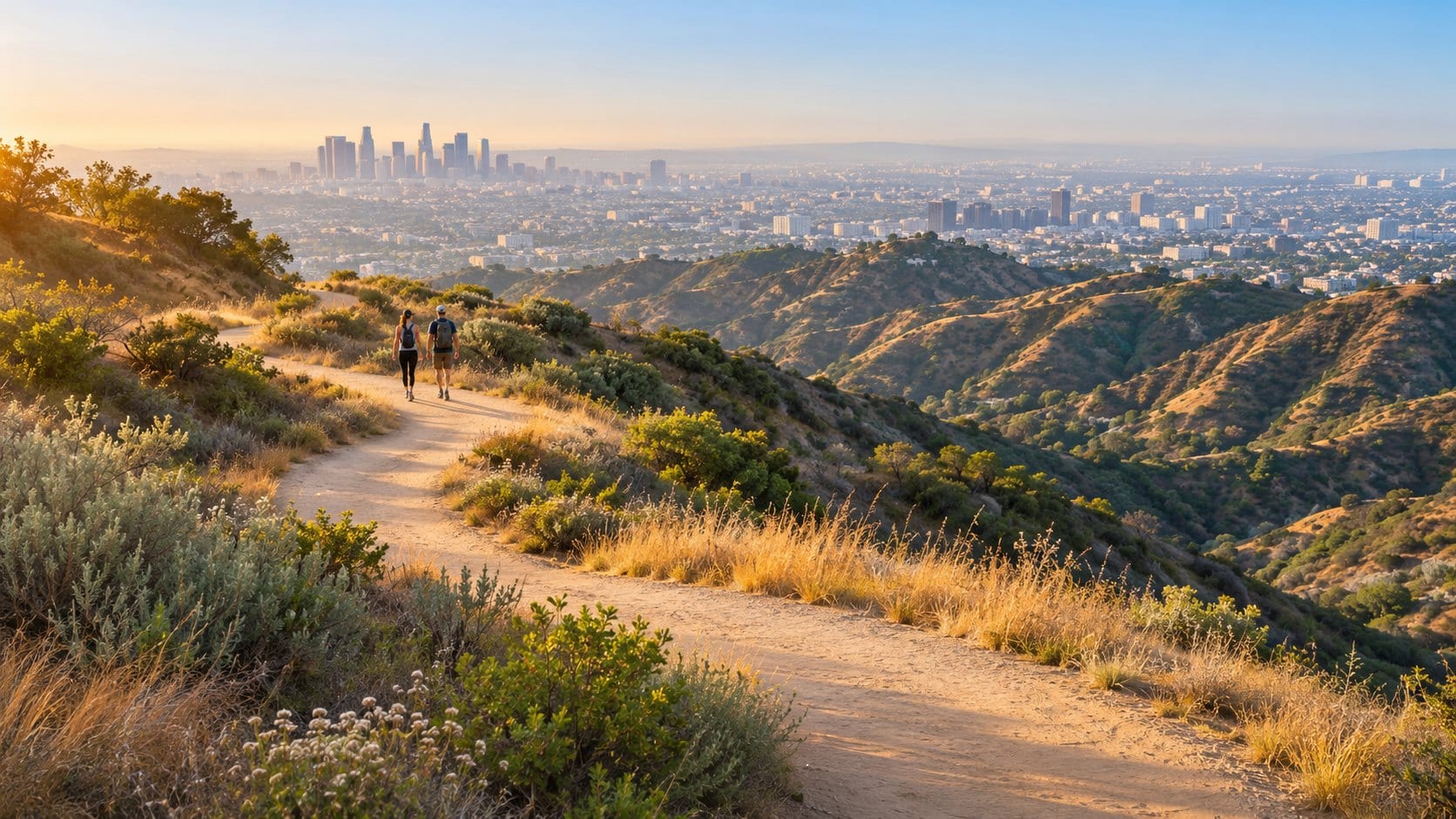
Runyon Canyon is one of those Los Angeles places that can make the city contradict itself in a single glance. Follow a trail above the street grid and Hollywood begins to look different. Rooftops gather below the ridges, while the path ahead belongs to dry brush, hillside contours and open sky. That combination—wild hillside and dense city—is exactly why the canyon matters. It is a piece of open land that survived in a neighborhood where land rarely stays empty by accident. Open Space Above the BoulevardWhy Is Runyon Canyon Famous?Runyon Canyon is known for hillside hiking, expansive city views and a social atmosphere closely connected to Hollywood’s residential streets. The appeal is the contrast: a climb into open space without leaving the urban landscape behind. It is also a park with several identities. For one visitor it is an exercise route; for another, a place to walk a dog or see the city from above. These uses share the same hillsides, making the canyon feel like part of neighborhood life rather than a distant wilderness escape. The views explain its popularity. They do not explain how the land stayed available to everyone. Before the Trails: Runyon’s Hollywood Estate YearsWhat Remains of Runyon Canyon’s Hollywood Estate Years?Stone foundations and other estate traces offer clues to a landscape once shaped by private homes, gardens and recreation. A city-filed archaeological record of the Runyon Canyon estate documents Irish tenor John McCormack’s mansion, San Patrizio, and its landscaped grounds. Huntington Hartford II purchased the property in 1942 and renamed it The Pines. His plans included a hotel and country club, but neighborhood opposition limited development. A pool pavilion designed by Lloyd Wright—Frank Lloyd Wright’s son—became one of the estate’s notable buildings. Errol Flynn stayed there as Hartford’s guest in 1957–1958; the canyon was not Flynn’s own estate. The mansion was later demolished, and the pool house burned in 1972. The archaeological record describes the remaining stone foundation and a pool pit that was subsequently filled. These fragments give the public park another layer of history: the hiking landscape grew out of land once arranged for a very different kind of Hollywood life. |
The Canyon Was Not Guaranteed to Stay OpenHow Was Runyon Canyon Saved From Development?Runyon’s preservation followed years of disagreement over the future of privately owned hillside land. The city’s 1986 Runyon Canyon master plan describes two decades of development battles and opposition from neighboring homeowner associations. The eventual purchase combined public resources: the Santa Monica Mountains Conservancy raised $4 million, and the City of Los Angeles contributed $1.6 million. Acquisition made it possible to plan for public open space instead of treating the canyon only as potential building sites. The financial figures are historical, but the underlying question remains recognizable. What should a growing city protect when the same land can be valued for private construction or shared access? Runyon’s answer can be walked through. When Did Runyon Canyon Become a Public Park?City records place the acquisition of Runyon Canyon Park in 1984. Planning continued afterward: the city hired Community Development Planning and Design in February 1985, and its master plan followed in 1986. Public ownership did not mean every nearby parcel became parkland at once. A later city record discusses acquiring another acre within the park area. Preservation was a sequence of purchases and decisions, rather than a single moment when every boundary was settled. That history changes the way the landscape looks. A dusty path may seem inevitable, but a public route through valuable urban land reflects deliberate choices about what a city leaves open. |
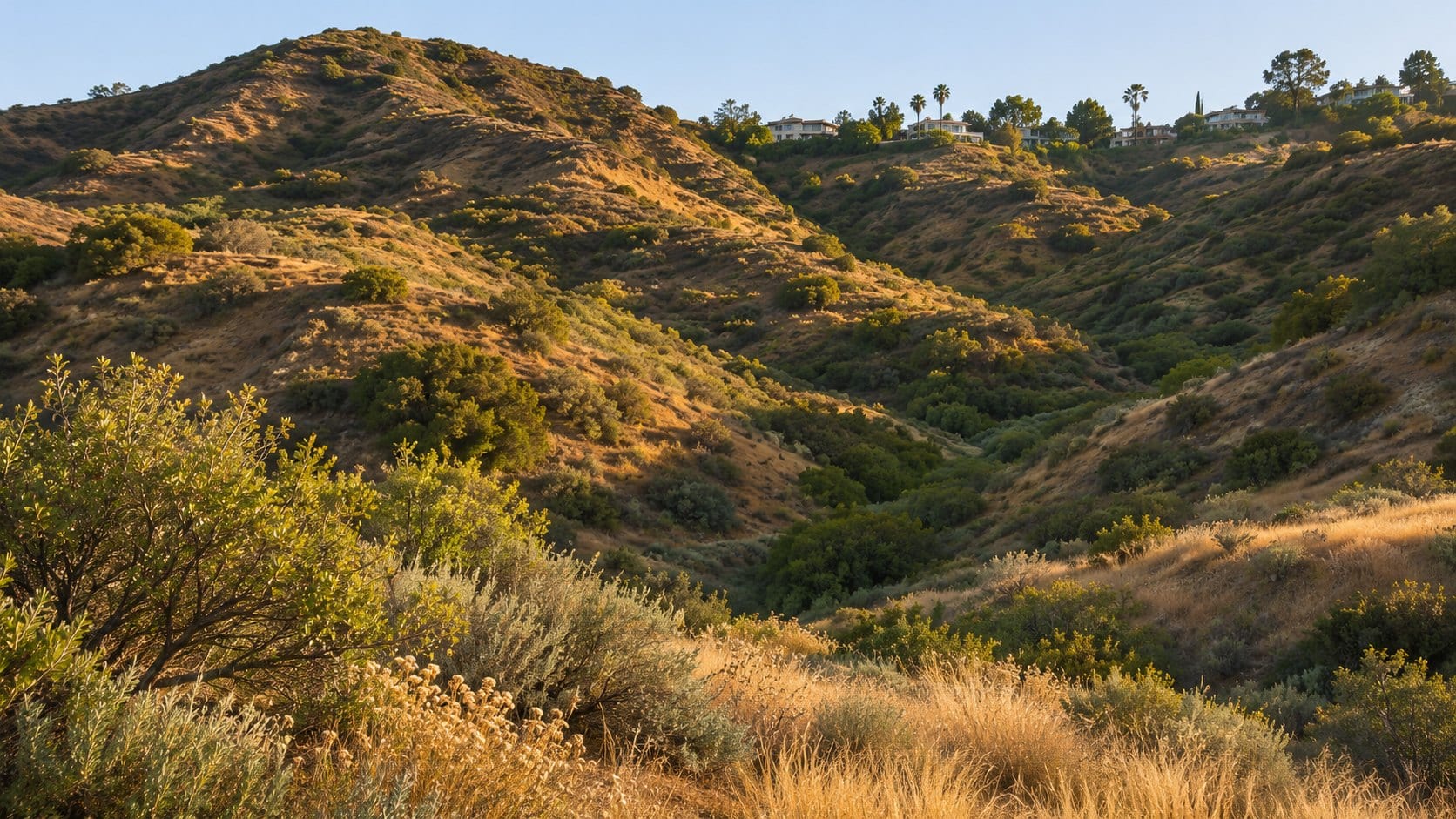 AI-generated editorial illustration inspired by Runyon Canyon’s open hillsides; not a documentary photograph of a specific property or development proposal. |
Choose the Walk, Not Just the ViewHow Long Is the Runyon Canyon Hike?There is no single Runyon Canyon distance. The park has connecting routes, and the length depends on the entrance, turnaround point and trails selected. Hikespeak’s route descriptions and maps outline options including a roughly 1.9-mile loop and a longer 2.65-mile circuit. Those figures describe particular routes, not a promise that every mapped connection is open. Check posted notices before choosing a circuit; closures can change which trails connect. An out-and-back walk with an early turnaround can be a better choice than committing to a loop that exceeds your available time or comfort. Mileage also tells only part of the story. Climbing, footing, weather and rest stops affect the experience. Allow time for the descent and for returning to the entrance you actually used. Is Runyon Canyon Suitable for Beginners?Some visitors may find a shorter route manageable, but Runyon should not be described as uniformly easy. Its hills create sustained climbs, and narrower dirt sections differ from wider park roads. Choose a route that matches your experience and turn back before fatigue makes the return difficult. The city’s park guidance emphasizes carrying water, staying on designated trails and preparing for heat. A familiar city skyline does not make an exposed hillside a shaded neighborhood stroll. Comfortable footwear and a realistic plan matter more than completing a particular circuit. For a different Hollywood outdoor setting, HLP’s Hollywood Reservoir story explores a gentler walking landscape shaped by a different kind of public infrastructure. |
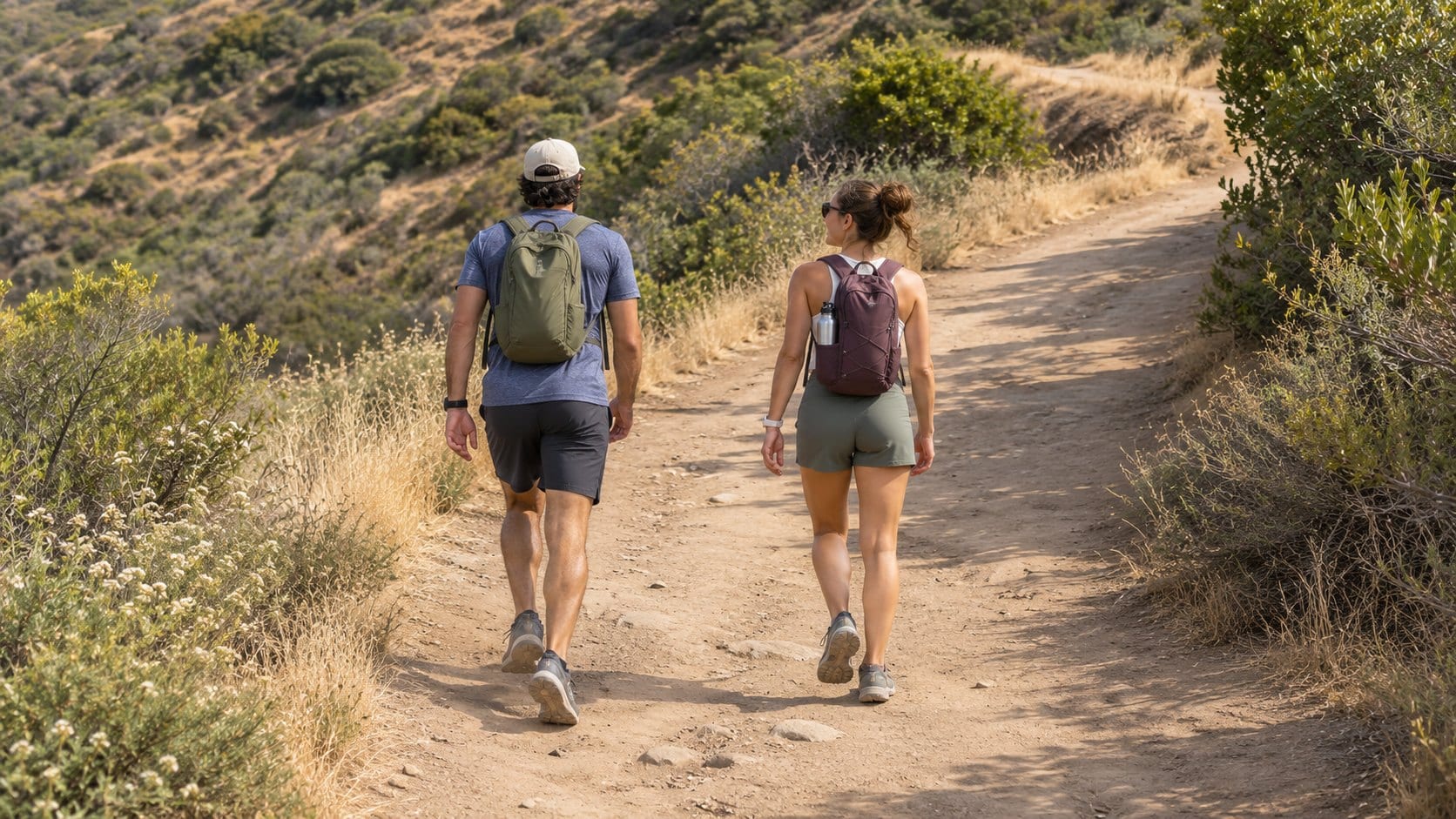 AI-generated editorial illustration of hikers inspired by Runyon Canyon; not a documentary photograph of a specific trail. |
A Shared Landscape, With Shared ResponsibilitiesAre Dogs Allowed at Runyon Canyon?Dogs are part of Runyon’s everyday identity, and the park includes designated off-leash areas. That does not make the entire park an off-leash zone. Follow posted boundaries and leash requirements rather than assuming the rules stay the same at every bend. Owners and other walkers share the routes, so keeping dogs under control and removing waste helps preserve the experience for everyone. The canyon is also habitat, not simply an outdoor exercise room. HLP’s story about wildlife beneath the Hollywood Sign offers broader context for appreciating the living landscape of the Hollywood Hills. |
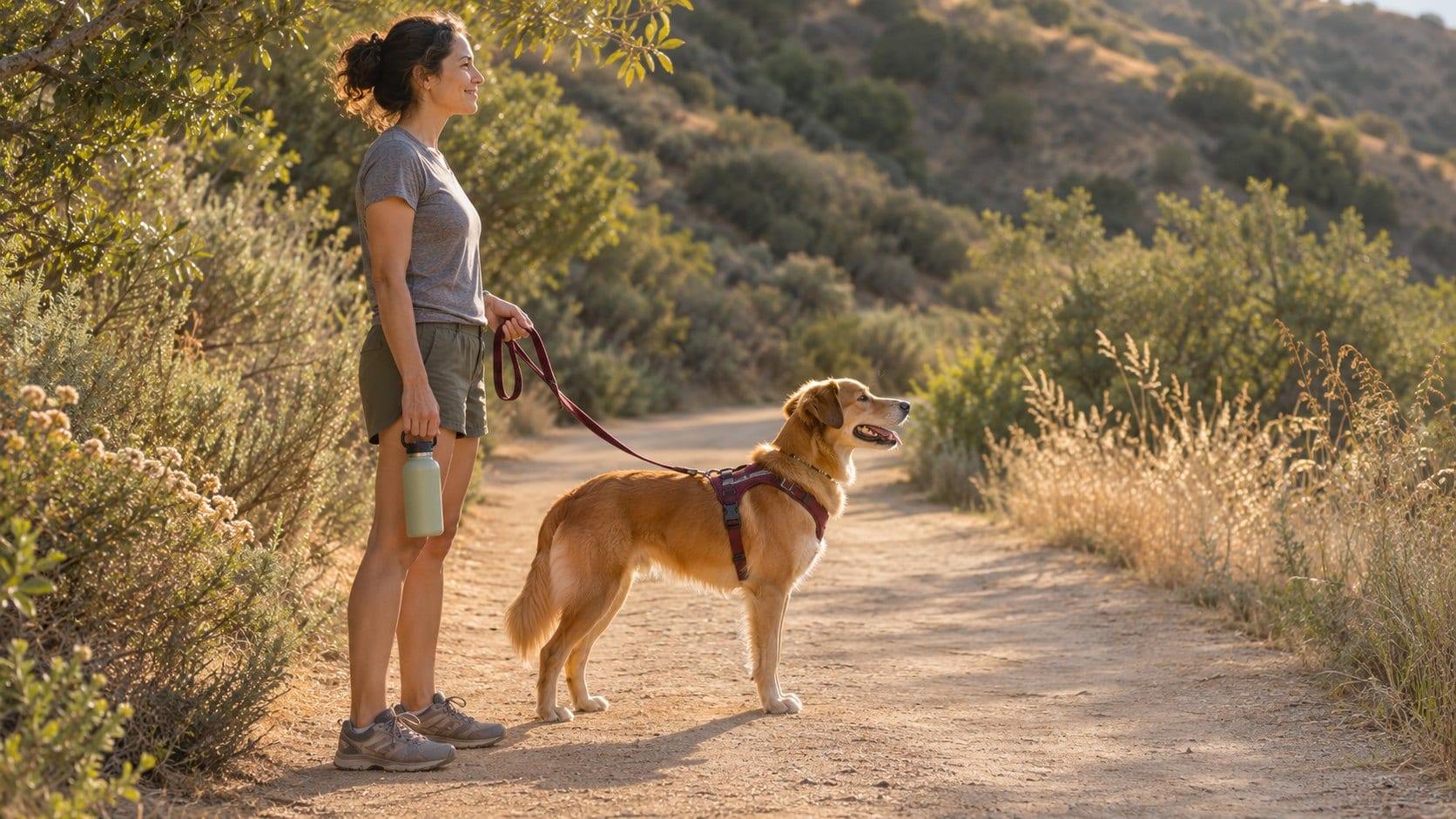 AI-generated editorial illustration of a walker with a leashed dog, inspired by Runyon Canyon; not a documentary photograph of a specific trail. |
Where Are the Runyon Canyon Entrances?The park’s mapped entrances include Fuller Avenue, Vista Street and Mulholland Drive. The city’s official Runyon Canyon information and gate maps help readers identify their approach and check notices before visiting. Different entrances lead to different starting elevations and route choices. Decide where you will enter and return before setting out. On surrounding residential streets, read parking signs carefully and keep driveways clear. The city also notes that the park has no restroom facilities. Check current access information rather than relying on an old trail description, and respect signs at any closed route. The Value of Land Left OpenHollywood is a neighborhood built on reinvention. Buildings change names. Businesses move. Hillsides fill with houses. Runyon Canyon offers a different kind of legacy: room for the city to step outside itself. The next time the trail rises above the rooftops, remember that the view is only half the story. The other half is the ground beneath your shoes—and the decisions that kept it available for walking. |
0 Comments
Join the conversation
Be the first to comment
Share your thoughts above.