Paramount Pictures: The Last Major Movie Studio Still Operating in Hollywood |
Behind the Melrose gates, one of the old studio system’s most important lots is still doing the job it was built to do. |
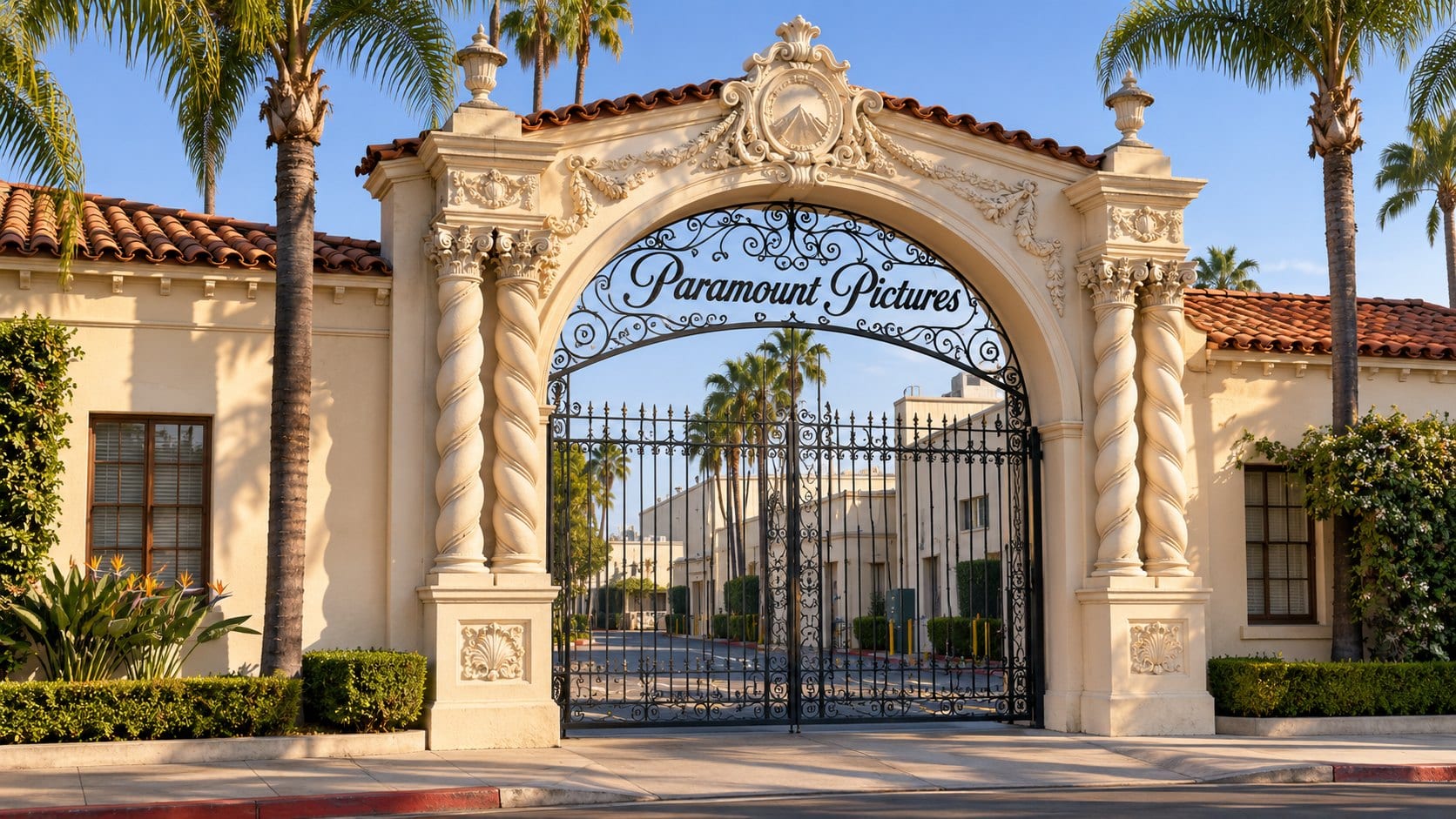 There is an easy way to imagine old Hollywood: black-and-white photographs, giant soundstages and studio gates with famous names above them. At Paramount Pictures, you do not have to imagine all of it. The Melrose Avenue lot remains a working production campus, linking the studio system that built Hollywood’s reputation to the entertainment business still operating behind its walls. The important word is working. This place belongs to the neighborhood’s present as well as its past. A Studio That Stayed in HollywoodIs Paramount the Last Major Movie Studio in Hollywood?Paramount describes itself as Hollywood’s only remaining major movie studio. Here, “Hollywood” means the Los Angeles neighborhood, rather than the entire regional entertainment industry. The distinction is central to the studio’s official history: its identity is tied to a production lot that stayed in the place whose name became shorthand for movies. It does not mean every film is made here, or that other parts of Los Angeles lack working studios. Hollywood is both a real neighborhood and an industry nickname. Paramount’s claim concerns the former. For local readers, that makes the campus more than a familiar name on a wall. It preserves a substantial piece of the working landscape that helped give Hollywood its identity. A Company Before a CampusHow Did Paramount Pictures Begin?Paramount traces its roots to Adolph Zukor’s Famous Players Film Company, founded in 1912. Jesse L. Lasky’s filmmaking company became another important part of the story, joining Famous Players in 1916. Their connection with the Paramount distribution business helped form the company recognized by that name. Those beginnings matter because producing a film and getting it into theaters were different parts of the business. The emerging studio system brought creative work, production resources and distribution into powerful corporate organizations. The earliest Hollywood production world also survives in smaller places. HLP’s story about the barn that helped build Hollywood explores the modest structure associated with the Lasky company’s early filmmaking years. Read beside Paramount’s larger campus, it offers a striking contrast in scale. When Did Paramount Move to Its Melrose Avenue Lot?The foundation of the present studio lot dates to 1926, when Lasky oversaw construction of a new Hollywood studio. It began with 26 acres and four stages. That date should be kept separate from the company’s earlier origins: Paramount’s business history started before its familiar Melrose campus. The lot subsequently expanded and changed as production needs evolved. Paramount’s history also records the 1967 acquisition of Desilu, an important chapter in the campus’s growth and its connection with television. A studio address can sound fixed and permanent. The buildings and businesses within it tell a more complicated story of additions, changing technology and new uses. 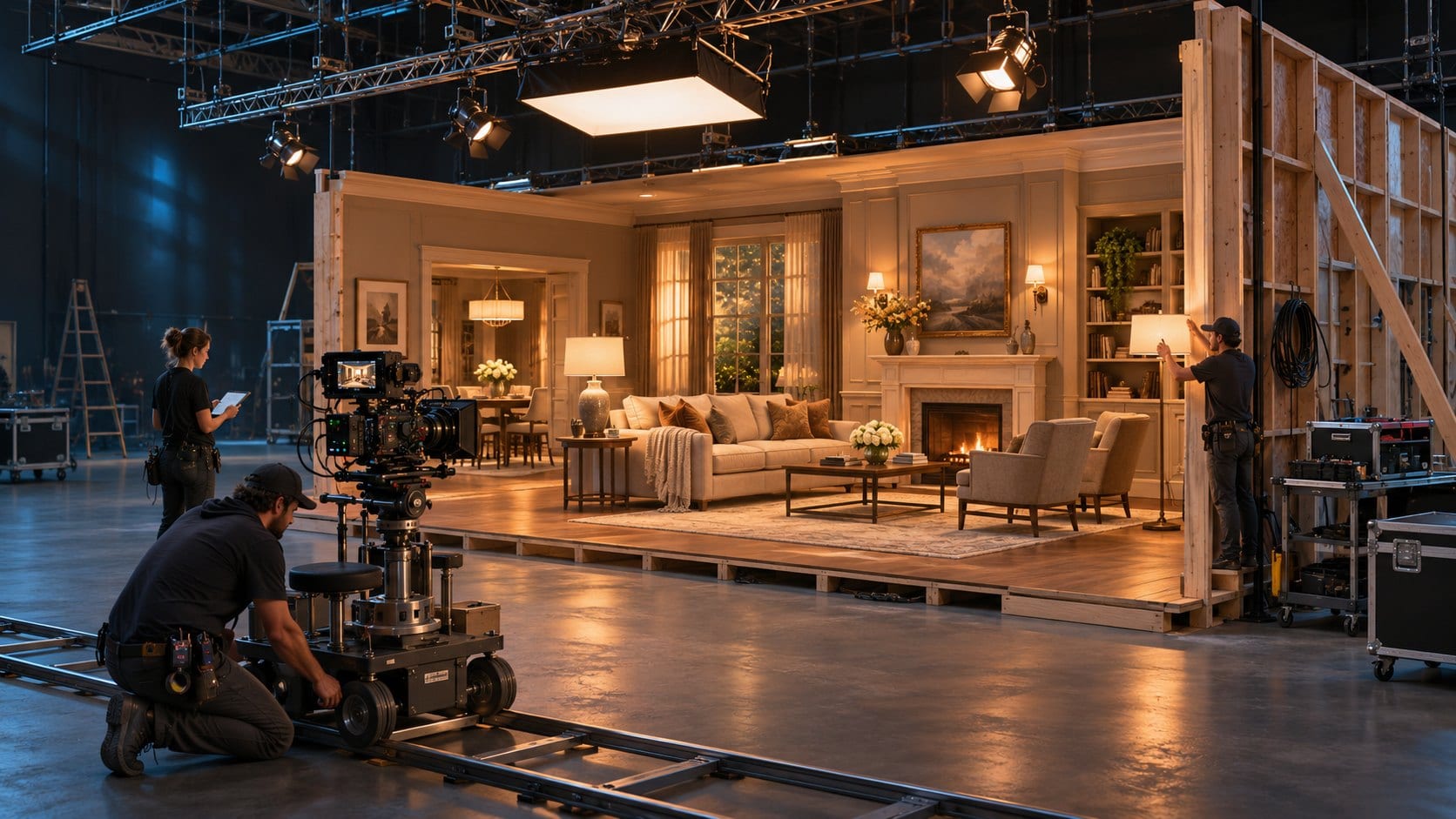 |
The Gate Became Part of the StoryWhy Is Paramount’s Bronson Gate Famous?The Bronson Gate became a recognizable symbol of the studio and its world behind the walls. A historic assessment prepared for the city identifies it as part of the 1926 construction campaign and the lot’s former principal entrance. Its significance is more than decorative. A studio gate makes the boundary between public street and private production especially visible. On one side is a neighborhood; on the other are the spaces where crews construct scenes that may appear to belong anywhere. That contrast helps explain the fascination. Moviegoers usually see the finished illusion. A studio entrance hints at the practical place where that illusion takes shape. The historic gate should not be treated as an invitation to enter an active lot independently. Public visiting arrangements and production access are separate matters. A Small City Built for Making Other WorldsWhat Happens on the Paramount Lot Today?The campus supports film and television production with stages, backlot environments and production services. Paramount’s studio-locations guide shows how ordinary-looking buildings, landscaped areas and specialized spaces can supply different screen settings. Among its production resources are the New York Street backlot and Blue Sky Tank. These are working tools, not merely scenic names: built environments and adaptable spaces give filmmakers ways to shape what a camera records. |
A convincing scene depends on more than the people visible in it. Set construction, lighting, costumes, transportation and editing all belong to the wider production process. Looking at a studio as a workplace makes those contributions easier to appreciate. It also changes the meaning of preservation. Keeping a studio useful can involve adaptation as well as protection. A soundstage does not need to remain arranged for one famous film to retain its place in Hollywood’s history. 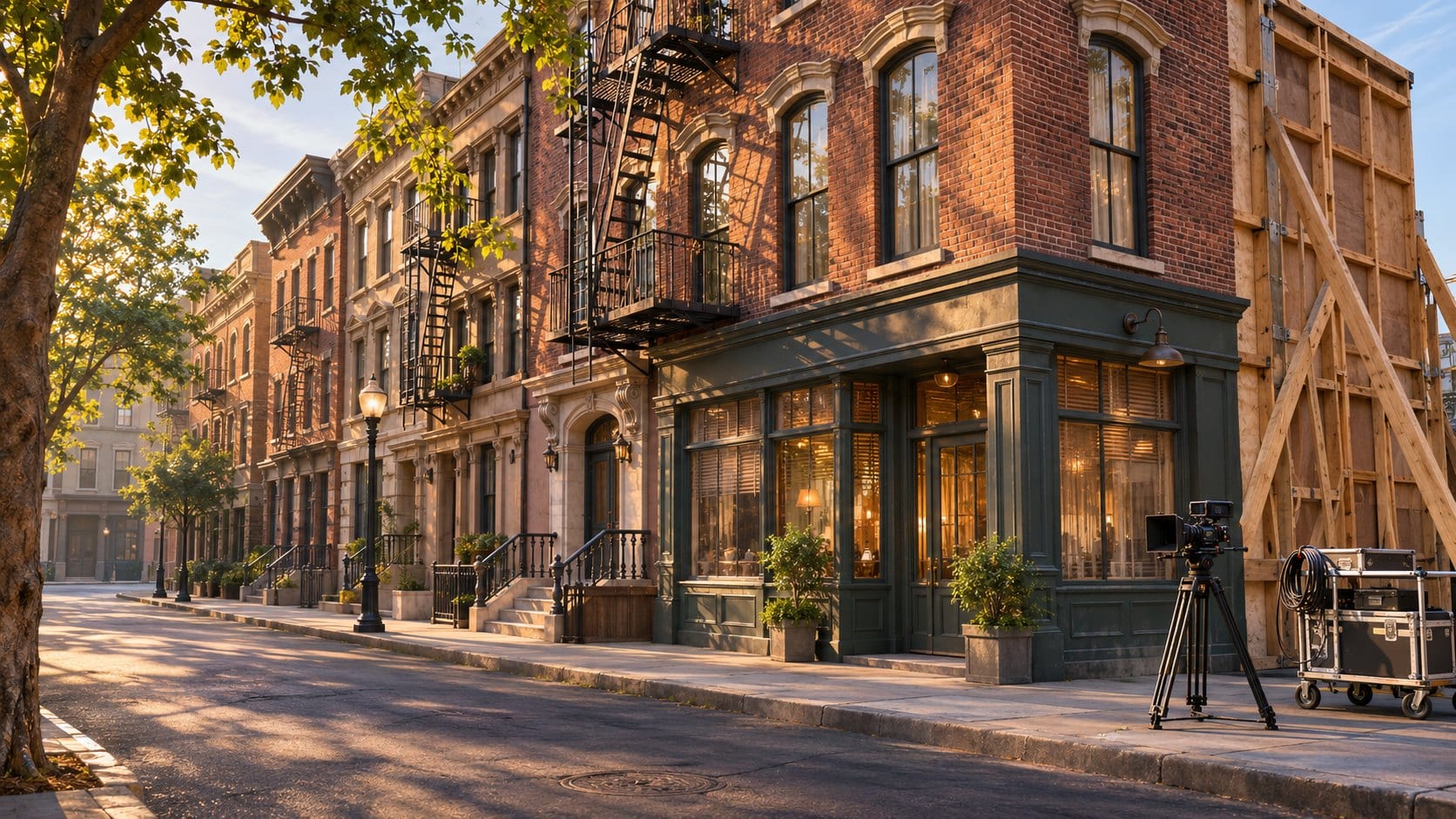 |
Can Visitors Tour Paramount Studios?Paramount offers organized studio visits. Consult the official Paramount Studio Tour website for current availability, reservations and visitor requirements before planning a trip. Treat a visit as access to a working environment. Do not assume a particular production will be filming in view, that a performer will appear or that every building will be accessible. The value is understanding the setting and its history, rather than expecting a guaranteed celebrity encounter. Follow the tour host’s instructions about permitted photography and access. Readers who need accessibility assistance should contact the tour team in advance. Specific arrangements are better checked directly than copied from an old travel article.  |
Hollywood Behind the WallsWhy Is Paramount Important to Hollywood History?Because its story connects the business of entertainment with the physical neighborhood that supported it. Studio gates, stages and workshops reveal how a place becomes organized around making films. Nearby, HLP’s Hollywood Forever feature considers another setting where the industry’s history meets the neighborhood. Together, these places offer different ways to encounter Hollywood beyond the premiere carpet. From the street, Paramount can feel quiet. The walls do not announce every set being built or every scene being filmed. That reserve belongs to another Hollywood—the one that goes to work. Much of the neighborhood’s history happened on stages with no windows, where crews built worlds for a camera and then dismantled them. The remarkable part is that the place for making those worlds is still here. |
0 Comments
Join the conversation
Be the first to comment
Share your thoughts above.