The Hollywood Bowl: How a Hillside Became LA’s Summer Soundtrack |
Before the famous white shell, there was a canyon, a daring idea, and an audience willing to climb uphill for music. |
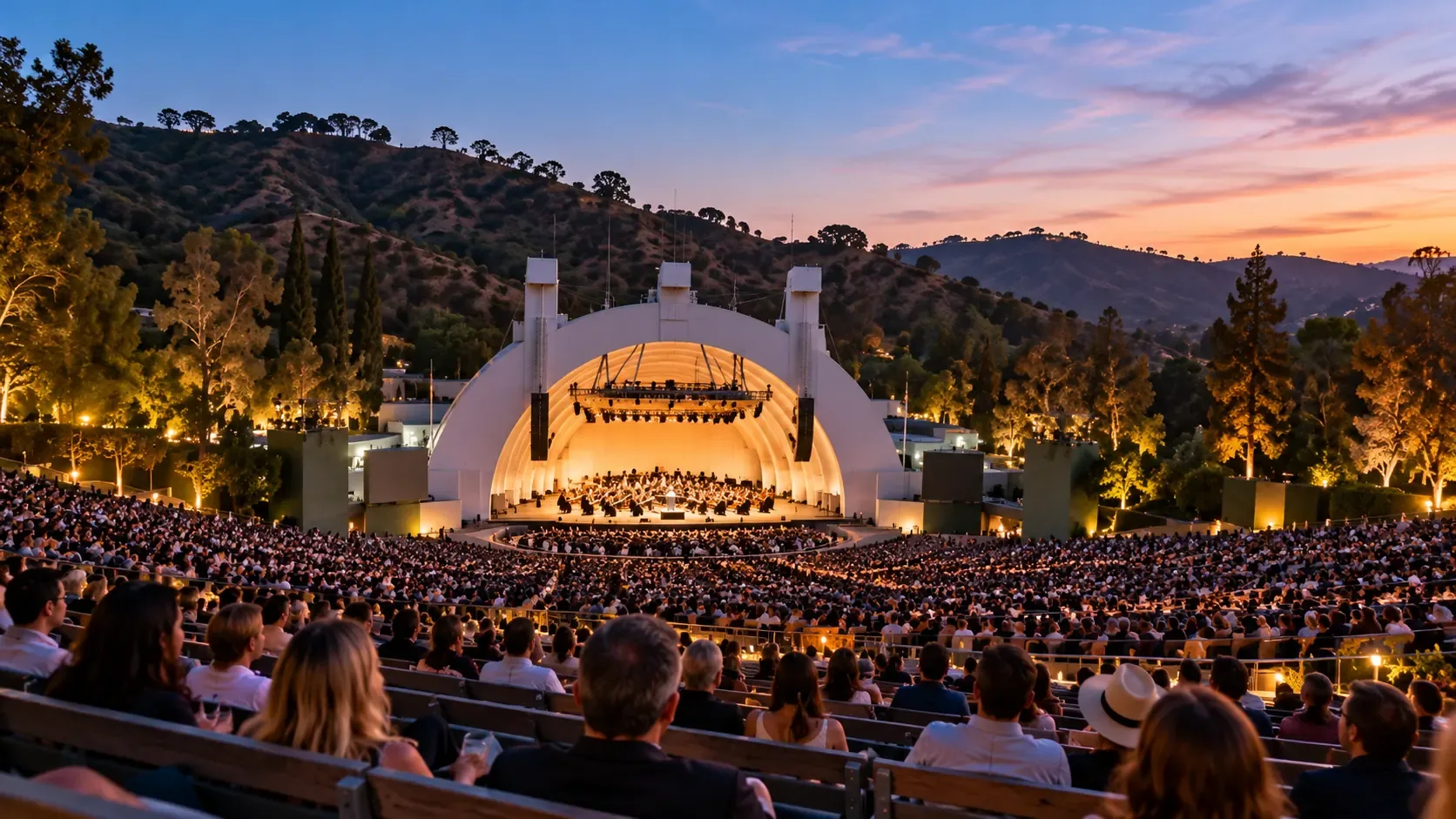
The Hollywood Bowl has a wonderfully unfair advantage over most concert halls: its ceiling is the sky. On a summer evening, the audience settles into the hillside, the last daylight slips away, and the music has an entire canyon to work with. A Canyon With a SoundtrackThe venue is famous for its sweeping shell, but the real story begins with the land underneath it. The name “Bowl” refers to the natural shape of the canyon, not the curved stage. Long before the familiar white arches appeared, people recognized that this hollow in the Hollywood Hills could gather an audience around music. Before the Shell, There Was a HillsideIn 1919, local arts advocates were searching for an outdoor setting where music could reach people beyond the walls of a conventional theater. The site, then known as Daisy Dell, offered a natural amphitheater. The early years required imagination. The audience did not arrive at the polished landmark we know today. It came to a rugged landscape that had to be shaped into a gathering place. One of the most striking early occasions was an Easter sunrise service on March 27, 1921. According to the LA Phil’s history, thousands made their way uphill before dawn, with music and singers helping guide the crowd. Imagine the practical challenge: an enormous outdoor audience, a hillside path, and almost none of the modern infrastructure people now take for granted. The promise was simple enough to make the climb worthwhile. Come hear music in a place that feels unlike anywhere else in the city. The Summer Tradition Begins in 1922The Hollywood Bowl’s first official summer season opened on July 11, 1922, with Alfred Hertz conducting the Los Angeles Philharmonic. Audiences sat on temporary wooden benches. The Philharmonic has called the Bowl its summer home ever since. That connection matters because the Bowl was not built merely as a picturesque backdrop for famous performers. It grew from a civic ambition: make live music a shared part of Los Angeles life. The program would eventually expand well beyond orchestral concerts to include jazz, popular music, film scores, and performances that reflect the city’s many cultures. But the central idea survived. People from across the region could meet on the same hillside and listen together. The setting does not ask everyone to have the same musical taste. It simply gives them somewhere to bring it. When Was the Hollywood Bowl Built?The Hollywood Bowl opened its first official summer season in 1922, but it was not built all at once. The early venue used temporary seating and an open stage. Its first shell appeared in 1926, followed by several redesigns; the familiar modern shell opened in 2004. The Bowl is better understood as a landmark that evolved over decades than as a building completed in a single year. Why Is the Hollywood Bowl Called the Hollywood Bowl?Because the venue sits in a naturally bowl-shaped canyon in the Hollywood Hills. The name describes the land, not the bandshell. The LA Phil’s centennial history traces the name to an early visitor who noticed the canyon’s shape around 1920. It is a useful distinction, especially when looking at the stage: the famous arches have changed repeatedly, while the hillside that inspired the name has remained the central feature of the place. |
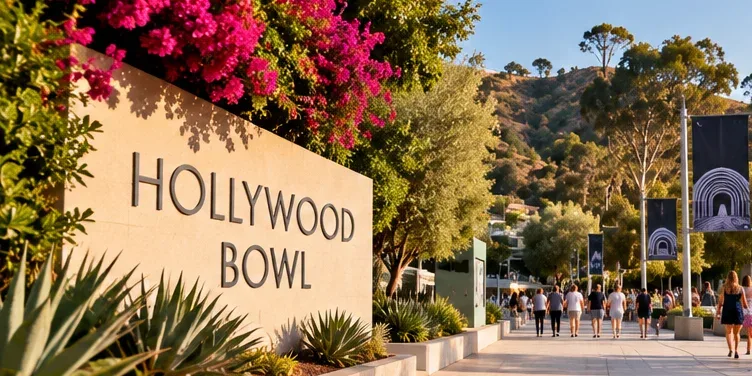 AI-generated editorial illustration of a landscaped concert-venue entrance; not an actual photograph of the Hollywood Bowl. |
The Shell That Kept Changing Its MindHere is a detail that makes the Hollywood Bowl even more Hollywood: its best-known architectural feature had several unsuccessful auditions. The first stage shell arrived in 1926. Lloyd Wright, son of Frank Lloyd Wright, designed a striking pyramid-shaped version in 1927, but it was considered too modern. His curved wooden shell followed in 1928. That one was acoustically promising, yet it did not survive the weather. In 1929, Allied Architects designed the broad semicircular shell that defined the Bowl’s appearance for generations. Intended as a temporary solution, it lasted until 2003. The current shell opened in 2004. Its shape is instantly recognizable, but it is part of a long experiment in helping music carry across an enormous open-air audience. In other words, the Bowl’s signature look was never just decoration. It was an ongoing negotiation between sound, architecture, and a hillside that refused to become an ordinary theater. |
PBS SoCal’s Lost LA explores the Hollywood Bowl’s history in this 8-minute documentary. |
A Concert Is Only Part of the EveningThe Bowl has a particular social rhythm. Friends compare what they packed for dinner. Families look for their seats. People climb toward the higher rows, where the view of the stage is smaller but the sense of the entire audience can be extraordinary. There is an old-fashioned pleasure in the anticipation. A concert begins long before the first note. It begins with getting there, finding your way through the grounds, and watching the seats fill. That experience helps explain why the Bowl remains a summer ritual rather than simply another stop on a tour schedule. Its outdoor setting makes each performance feel tied to the evening itself. A warm night, a little breeze, the changing light above the hills: those are not details a concert organizer can cue from backstage. They are part of the performance whether anyone planned them or not. Can You Bring Food to the Hollywood Bowl?Yes. Bringing a picnic is part of the Hollywood Bowl tradition, and visitors can generally bring their own food. Beverage rules depend on the event: outside wine and beer are permitted at LA Phil-presented concerts, but outside alcohol is not allowed at separately promoted lease events. Containers and coolers must also meet venue size limits. Before packing, check the official Hollywood Bowl house rules and the specific concert listing, since restrictions can change. |
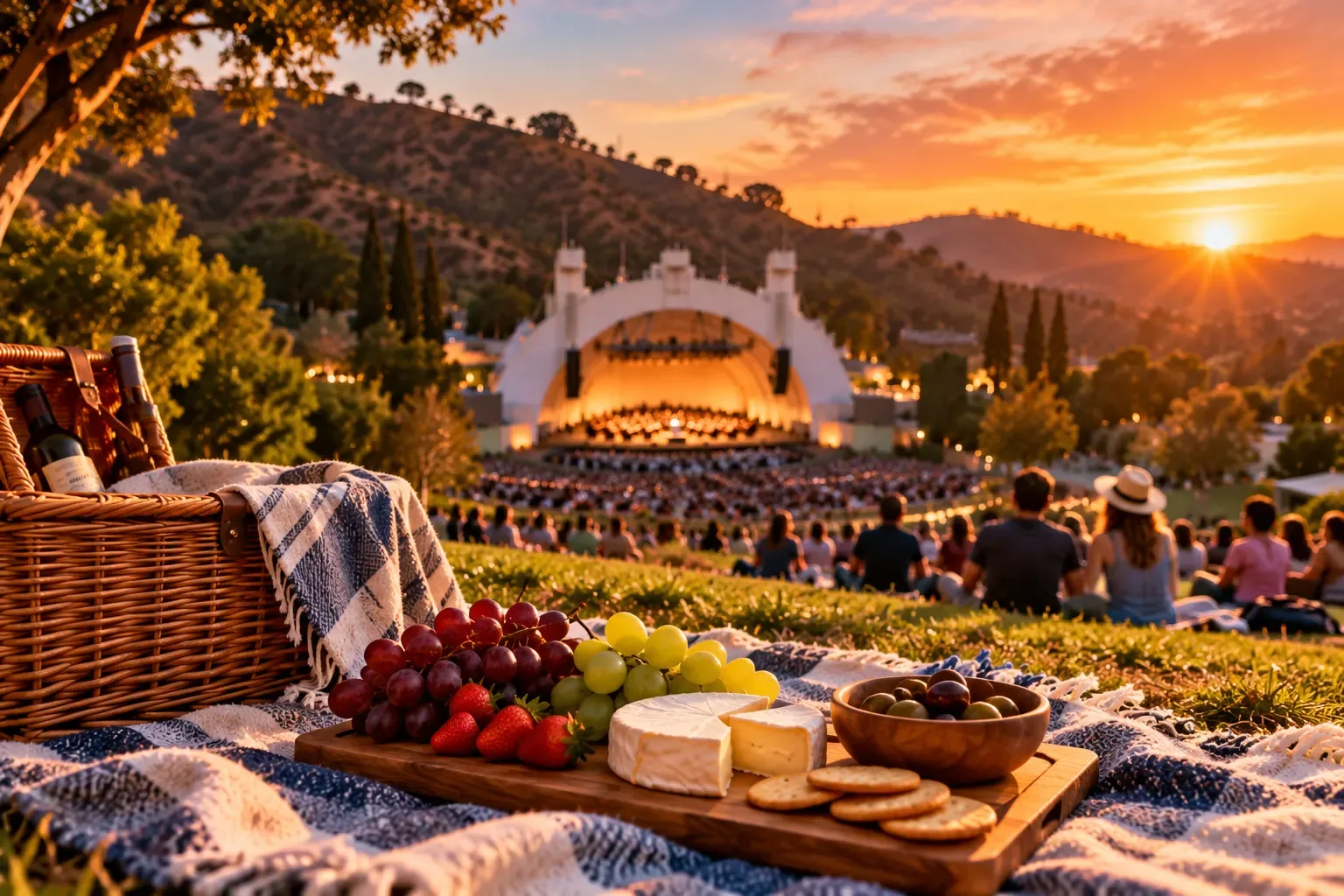 AI-generated editorial illustration of a concert picnic with an outdoor amphitheater in the distance; not an actual photograph of the Hollywood Bowl. |
A Landmark That Still Belongs to the CityThe Hollywood Bowl is at 2301 North Highland Avenue and is owned by Los Angeles County, with the Los Angeles Philharmonic Association involved in its management and programming. Its history is also preserved through the Hollywood Bowl Museum and the LA Phil’s centennial walking-tour materials. Because access, transportation, picnic policies, and performance arrangements vary, the official Hollywood Bowl website is the best place to check before planning a visit. That practical advice may be the least romantic sentence in this story, but anyone who has tried to reach a major concert without a transportation plan will appreciate it. The remarkable thing is that a place created around a simple civic dream has continued to reinvent itself without losing its purpose. The shell can change. The performers can change. Even the soundtrack of Los Angeles can change. And still, on a summer night, thousands of people find their way into the same canyon to listen. |
More from Hollywood Local Pulse
Oct 15, 2026
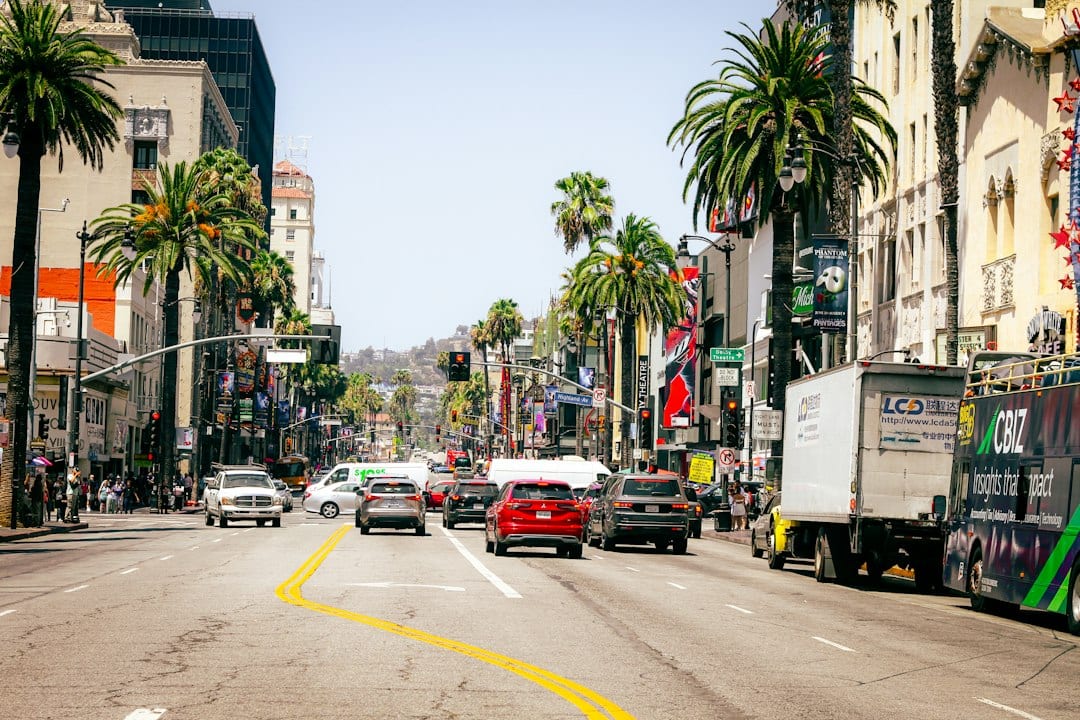
Hollywood Next Summit Puts Investment, Jobs and Film Production in Focus
Hollywood Next 2026: Hollywood Chamber discusses film incentives, 9.8 million district visits, Hollywood Boulevard proposals and a 2027 investment roundtable.
Oct 14, 2026
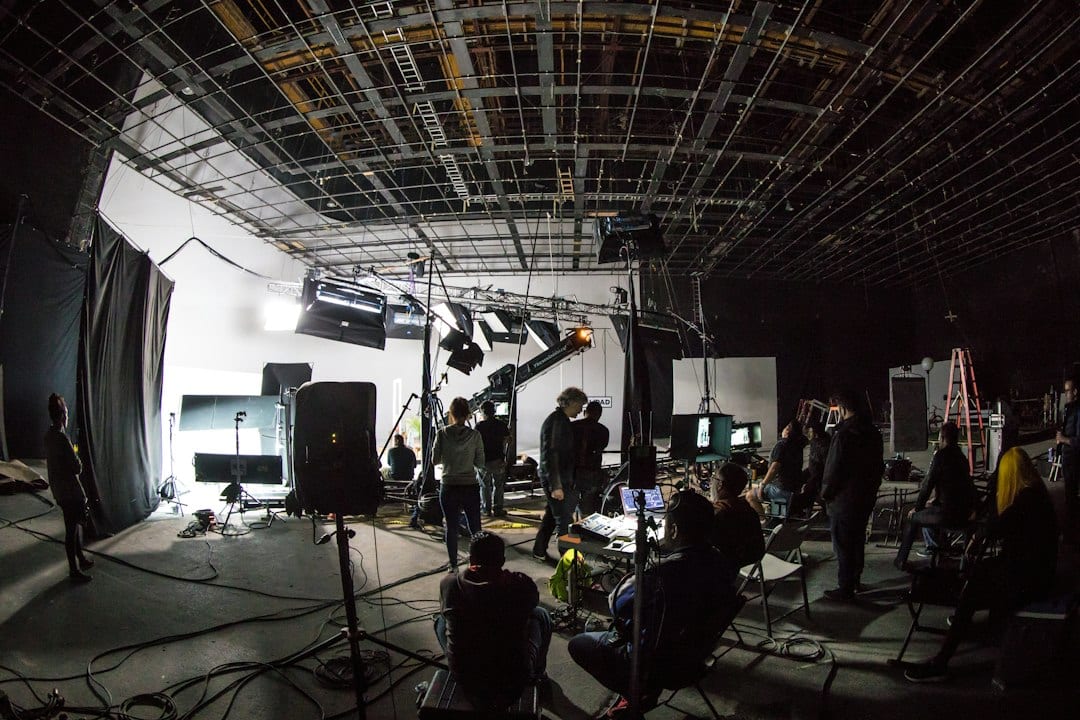
Hollywood's $450 Million Echelon Studios Takes Shape
A new five-stage studio campus rises on Santa Monica Boulevard as local production faces economic headwinds.
Oct 12, 2026
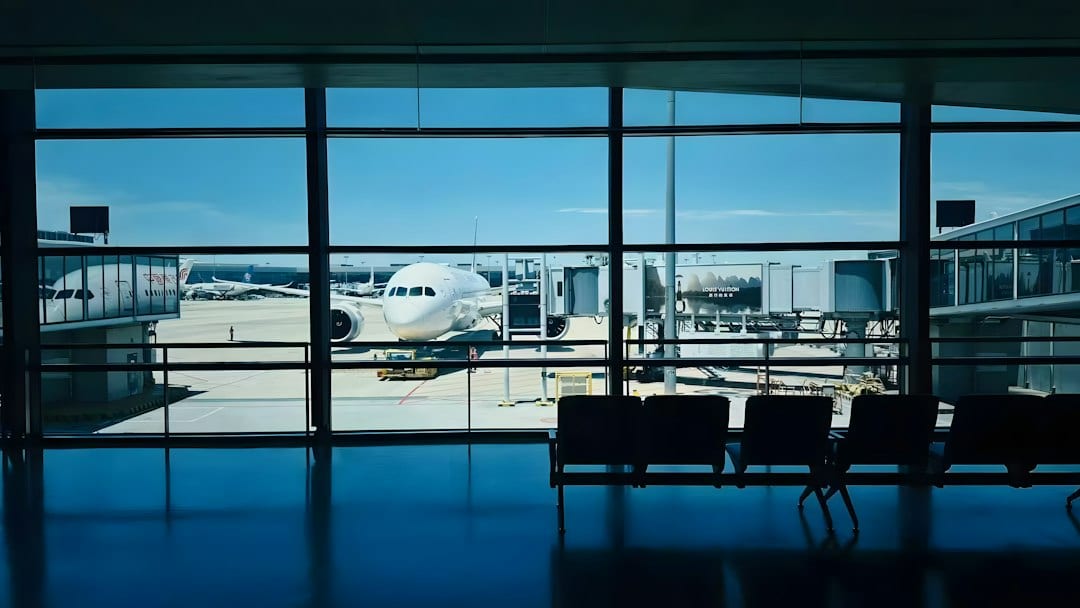
Hollywood Burbank Airport New Terminal: October 13 Opening
Hollywood Burbank Airport's new terminal opens October 13. Find the new entrance, parking changes and what Elevate BUR means for travelers.
0 Comments
Join the conversation
Be the first to comment
Share your thoughts above.