Hollywood Next Summit Puts Investment, Jobs and Film Production in Focus |
At an October 14 gathering on Vine Street, Hollywood's business leaders confronted the questions shaping the neighborhood's future |
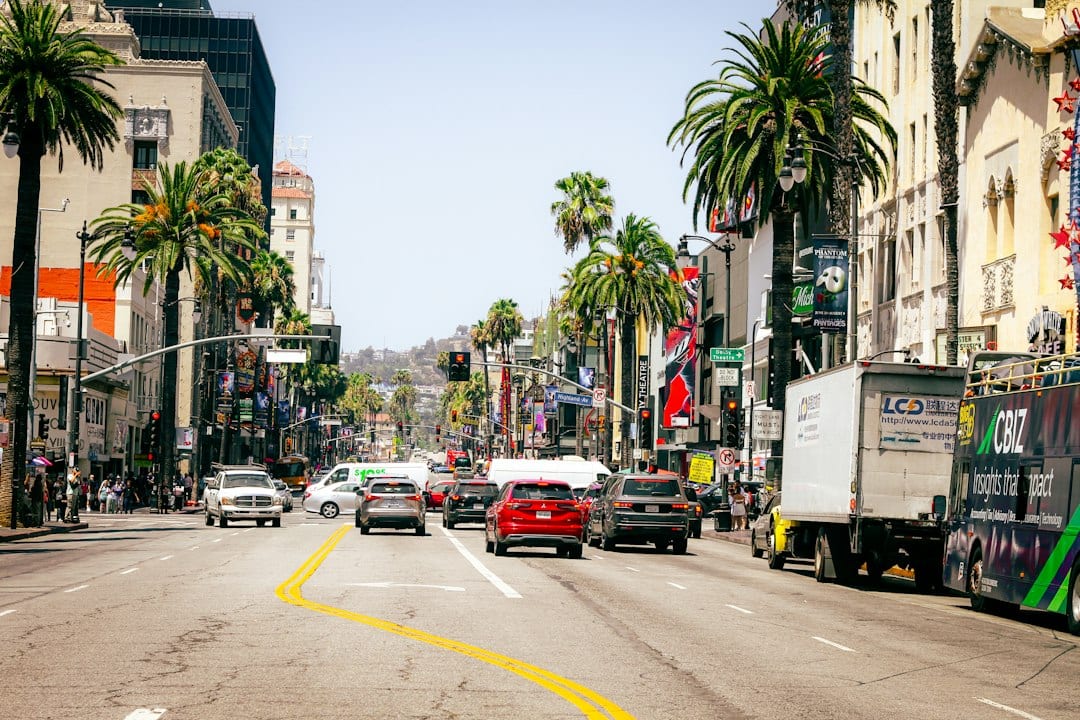 Hollywood Boulevard, Los Angeles. Neighborhood context photograph; not a photograph of the Hollywood Next Summit. Photo by Alissa Schilling on Unsplash |
Updated October 15, 2026: Hollywood's next chapter is taking shape in proposals, not just predictions. At the October 14 Hollywood Next Economic Development Summit, Chamber president Ron Frierson outlined efforts to strengthen film-production incentives, make Walk of Fame ceremonies more welcoming to fans, and consider changes to street vending on Hollywood Boulevard. He also announced plans for an early-2027 capital-markets roundtable focused on the boulevard's future. These are discussions and planned initiatives, not completed improvements or approved investments. The details were reported by Beverly Press. Frierson cited Hollywood Partnership figures showing 9.8 million visits to the Hollywood Entertainment District in the second quarter of 2026, including 7.7 million domestic tourist visits; the Walk of Fame area recorded 4.2 million visits. Those figures count visits, not individual visitors, and they underscore how much Hollywood's economy depends on its streets as well as its studios. On a street better known for movie premieres, Hollywood's next big production was a conversation about its own future.On October 14, 2026, the Hollywood Chamber of Commerce convened its sold-out Hollywood Next Economic Development Summit at Avalon Hollywood, 1735 North Vine Street. The morning program put investment, development, film production and the neighborhood's changing economy on the same agenda. For a place whose name is recognized around the world, those are remarkably local questions. Hollywood is still a center of entertainment culture. But international recognition does not automatically translate into full soundstages, steady jobs or thriving storefronts. The more revealing measure of a neighborhood's health is what happens between the red carpets: who works here, which businesses survive, and whether new projects bring activity to surrounding streets. What Is the Hollywood Next Economic Development Summit?Hollywood Next is an economic development summit organized by the Hollywood Chamber of Commerce to discuss investment, jobs, business growth and the future of Hollywood, California. The summit took place on October 14 at Avalon Hollywood, 1735 North Vine Street, with a program featuring leaders from commercial real estate, music, live entertainment and economics. The event brought attention to a question that reaches well beyond the entertainment industry: how can Hollywood attract new investment while supporting the people and businesses already operating in the neighborhood? The summit was a forum for discussion, not itself evidence that new developments, jobs or public policies had been approved. A Room Full of People Investing in HollywoodWho Were the Announced Speakers at the 2026 Hollywood Next Summit?The Hollywood Chamber of Commerce announced a lineup representing economic development, commercial property, music, live entertainment and regional economics. The published program identified Chamber president and CEO Ron Frierson for opening remarks and CNN anchor and correspondent Elex Michaelson as moderator of an executive discussion. Announced participants included Chris Pearson of Hudson Pacific Properties, Dwaine Streater of Universal Music Group, Ryan Blank of the Hollywood Palladium and economist Chris Thornberg of Beacon Economics. These names come from the published event program. The names above are from the advance program; reporting on Frierson's remarks after the summit does not independently confirm every listed speaker's attendance or statements. The lineup is telling: commercial property, music and live entertainment each depend on Hollywood remaining a place where people want to work and spend time. Thornberg’s planned regional outlook also reflects pressures beyond Hollywood’s boundaries, including the cost of doing business in Southern California. An important distinction: post-event reporting confirms Frierson's remarks and proposed initiatives, but specific investment deals or job commitments have not been verified. Claims that the summit produced particular deals, jobs or projects would require additional reporting. The Production Question Hollywood Cannot AvoidThe production challenge is measurable. FilmLA's second-quarter 2026 figures, reported by Beverly Press, show 4,711 regional on-location shoot days, down 12.7% from a year earlier. Television shoot days rose from the previous quarter but remained lower year over year. That helps explain why Frierson emphasized incentives and the broader local businesses that depend on production spending. A federal production tax credit was introduced in Congress in September 2026, but it is proposed legislation, not an enacted incentive. Its passage and final terms remain uncertain. Read the October 2026 incentive-status overview. The Chamber specifically identified film and television production as part of the summit's agenda. That is more than a symbolic nod to Hollywood's history. Why Does Film and Television Production Matter to Hollywood’s Economy?Film and television production supports more than actors, directors and studios. It also creates demand for craftspeople, technicians, equipment suppliers, transportation services, postproduction businesses and neighborhood restaurants. When productions work in and around Hollywood, their spending can reach businesses that have no direct role in making movies. That is why attracting production remains an important economic development issue. New facilities, including Echelon Studios Hollywood, may provide space for future projects, but constructing soundstages does not guarantee that productions will book them. The long-term measure is whether filming activity translates into sustained employment and business opportunities in Los Angeles. Consider the Echelon Studios Hollywood development on Santa Monica Boulevard. Its substantial purpose-built production campus represents a bet on Hollywood's continuing appeal. Yet even a project of that scale cannot solve the industry's challenges on its own. Facilities, production incentives, labor availability and the economics of filming all shape where work ultimately lands. For local residents, the difference is practical. A busy production economy can mean more customers for neighborhood businesses and more work for people who live across Los Angeles. A slower one can be felt far from a soundstage. |
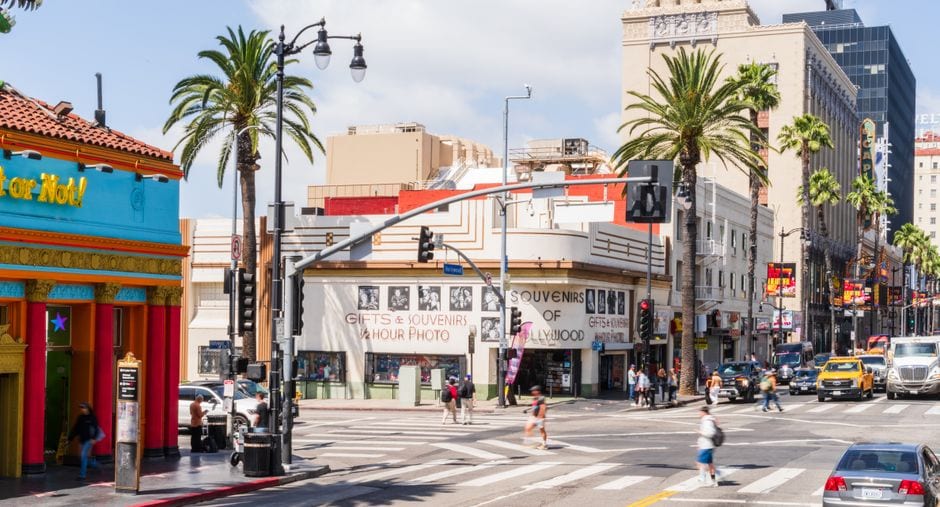 Hollywood Boulevard storefronts and neighborhood street life. Context photograph, not the Hollywood Next Summit. Photo by Abhishek Navlakha on Pexels |
What Investment Looks Like at Street LevelHollywood's development story is not only about studios. Hotels, music venues, offices, restaurants, housing and pedestrian activity all contribute to the district's future. A project that looks impressive in a rendering still has to function as part of a neighborhood. That means asking questions that rarely fit on a promotional banner. Will new investment activate empty storefronts? Will businesses have customers beyond major event nights? Will nearby residents see better public spaces and manageable traffic? And will growth create opportunities for existing merchants rather than simply raising the cost of staying? The presence of leaders from music and live entertainment also underscores an often-overlooked strength. Hollywood's economy is not one industry with one kind of customer. Its theaters, performance spaces, restaurants, visitor attractions and creative workplaces can reinforce one another—provided the surrounding streets remain welcoming and accessible. What Changes Did the Hollywood Chamber Propose for Hollywood Boulevard?The Chamber discussed making Walk of Fame star ceremonies more fan-friendly, exploring a designated area for street vendors, and convening a capital-markets roundtable in early 2027. Frierson also raised the possibility of expanded use of the Hollywood Sign for filming. None of those ideas should be described as an approved street redesign, a new vending rule, or a confirmed investment deal. Beverly Press reported the remarks following the summit. The 2028 Olympics Add Another ClockThe Chamber also placed the 2028 Olympic and Paralympic Games on its agenda. With Los Angeles preparing to welcome a global audience, Hollywood has an obvious stake in the visitor experience. But that opportunity should not be confused with a confirmed Olympic event or a guaranteed windfall for any particular business. How Could the 2028 Olympics Affect Hollywood Businesses?The 2028 Los Angeles Olympic and Paralympic Games could bring additional visitor interest to Hollywood, creating opportunities for hotels, restaurants, entertainment venues, shops and other local businesses. But increased attention does not automatically guarantee increased revenue for every business. The benefits will depend on visitor travel patterns, transportation access, neighborhood conditions and whether businesses can attract spending before, during and after the Games. For Hollywood, preparations that improve walkability, storefront activity and the overall visitor experience could prove valuable long after the international spotlight moves elsewhere. The more useful question is what Hollywood can improve before visitors arrive: the condition of commercial corridors, the ease of moving around, the visibility of neighborhood businesses and the experience of spending an ordinary afternoon here. Tourism may bring attention. Lasting economic benefits depend on how much of that attention turns into repeat visits, local spending and investments that still matter after the Games have ended. What Happens After the Summit?The Chamber described Hollywood Next as a forward-looking conversation, not a ribbon-cutting or an announcement of a single approved development. That makes the next round of reporting especially important. The planned early-2027 capital-markets roundtable provides a concrete next date to watch. Specific investment commitments, production initiatives, policy proposals or construction timelines should be judged on their details when they are publicly documented. A headline about momentum is encouraging; a confirmed project schedule, funding source or measurable employment plan tells residents much more. For now, the clearest news is that the Chamber outlined several proposals and a follow-up investment discussion. Public reporting has not established that the summit itself finalized a major deal or created a specific number of jobs. Hollywood has always been skilled at imagining its next act. The work ahead is less glamorous, and more consequential: making sure the neighborhood's next chapter has room for the people and businesses already here. |
More from Hollywood Local Pulse
Oct 14, 2026
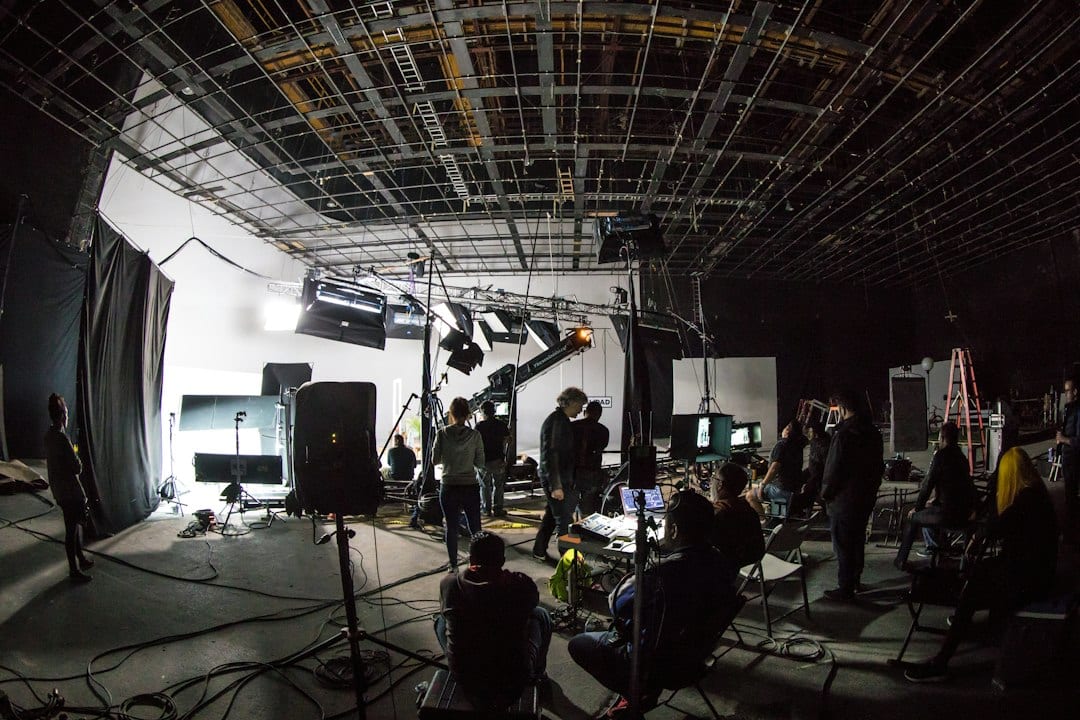
Hollywood's $450 Million Echelon Studios Takes Shape
A new five-stage studio campus rises on Santa Monica Boulevard as local production faces economic headwinds.
Oct 12, 2026
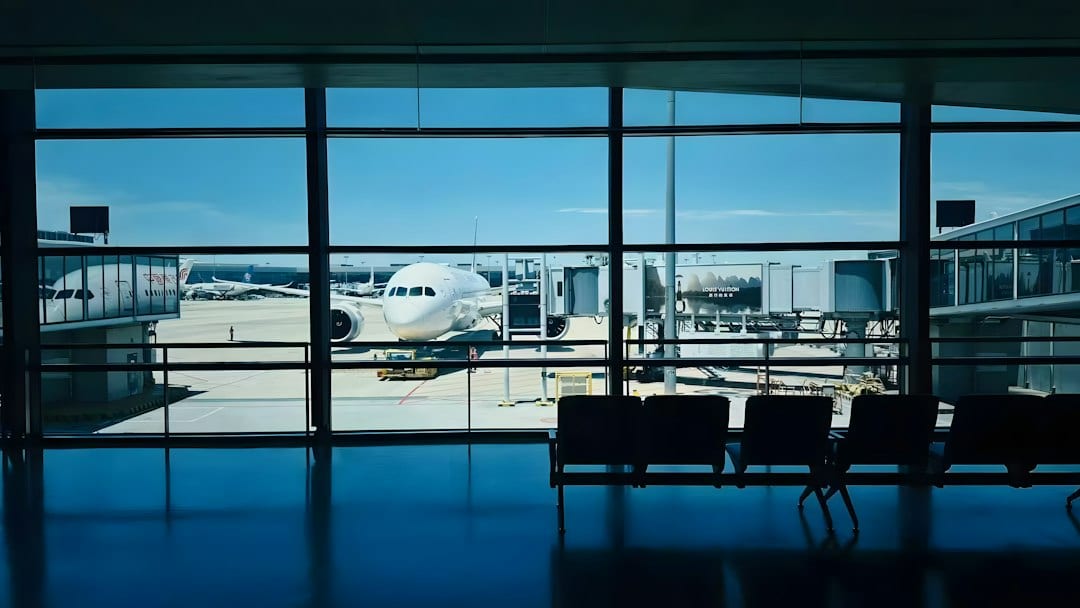
Hollywood Burbank Airport New Terminal: October 13 Opening
Hollywood Burbank Airport's new terminal opens October 13. Find the new entrance, parking changes and what Elevate BUR means for travelers.
0 Comments
Join the conversation
Be the first to comment
Share your thoughts above.