
Hollywood Post 43: Where Veterans Built a Different Kind of Hollywood Landmark |
A Highland Avenue clubhouse brings military service, community life and cinema together in a Hollywood story that reaches beyond the famous names. |
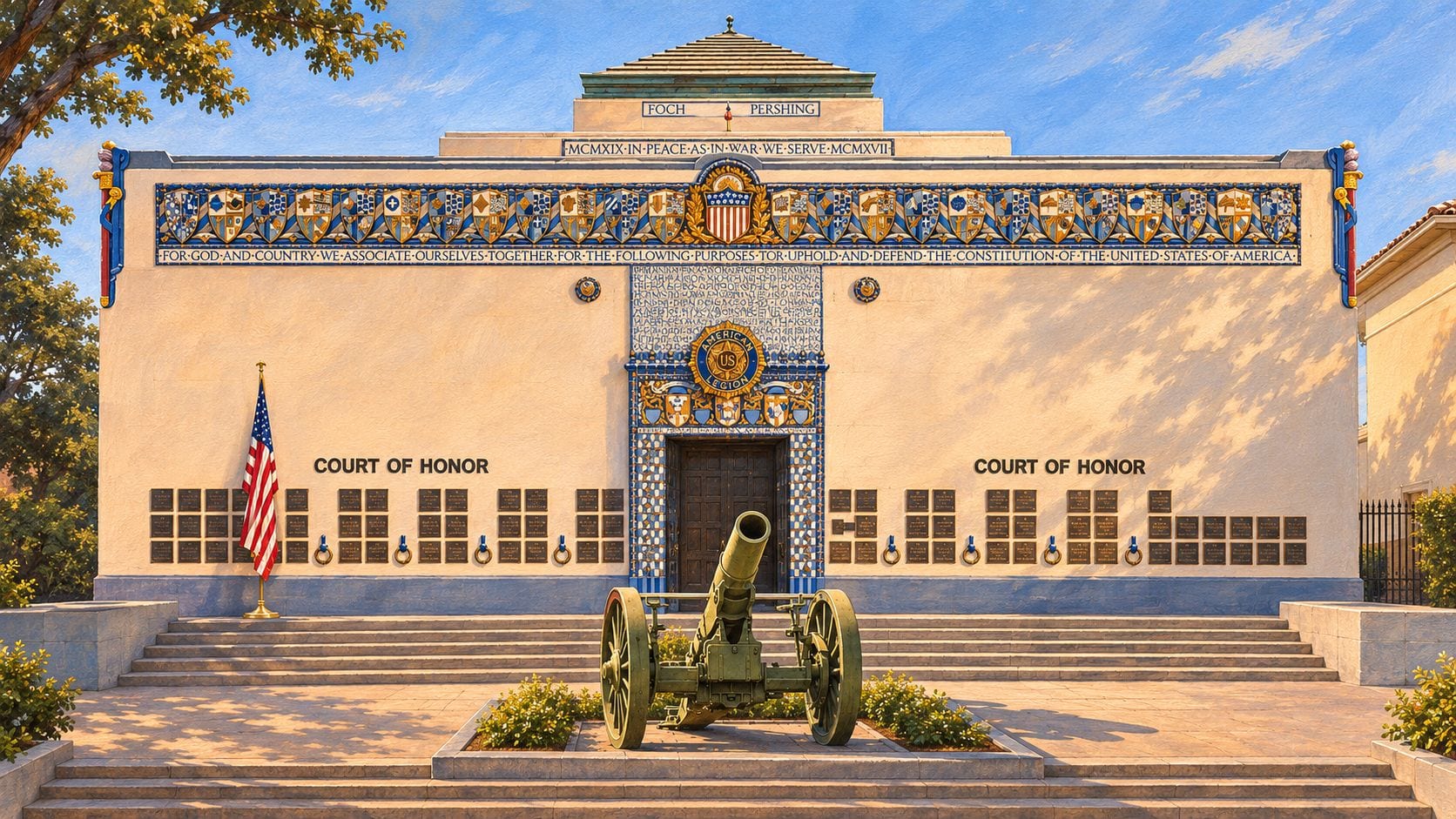
A movie theater inside a veterans’ clubhouse sounds like a particularly Hollywood arrangement. At 2035 North Highland Avenue, just south of the Hollywood Bowl, Post 43 brings those two worlds together. This is a place shaped by people whose lives crossed between military service and the motion-picture business. Its history includes recognizable names and distinctive rooms, but the thread holding the story together is the creation of a community for veterans. The clubhouse has room for both identities. Cinema belongs here, and so does the less public work of helping people find fellowship, practical support and a continuing way to serve after their time in uniform. A Community Before the ClubhouseWhy Was Hollywood Post 43 Founded?World War I veterans working in the motion-picture industry chartered Hollywood Post 43 in 1919. The post’s published history describes a mission of helping fellow veterans and serving the wider community, state and nation. Its early meetings took place in a church at Hollywood and Vine. The organization preceded the landmark building, an important distinction when a memorable facade threatens to take over the entire story. A post offered a place to gather around shared experience. For veterans building civilian lives in an expanding industry, that could mean friendship and professional connections as well as organized service. The institution’s purpose was human before it became architectural. Hollywood supporters helped establish it, including Cecil B. DeMille and Mary Pickford. The post’s history distinguishes veterans from nonveteran supporters; involvement in the organization should not automatically be read as evidence of military service. That distinction is useful throughout Hollywood history. A famous name can open the door to a subject, but understanding what the person actually contributed is more interesting than simply adding another celebrity to the list. The Highland Avenue HomeWhen Did the Post 43 Clubhouse Open?The Hollywood Legion Theater’s history of Post 43 describes the construction of the Highland Avenue Memorial Clubhouse in 1929. The organization itself had already existed for a decade. Architects Joseph and Eugene Weston designed the building. The Los Angeles Historic Theatre Foundation’s account describes an architectural mixture that has attracted several labels, including Egyptian and Moroccan influences combined with Art Deco. The variety of descriptions suits a building whose interiors invite more attention than a quick glance from the street can provide. Its theater, Art Deco bar and gathering spaces reflect a clubhouse meant to accommodate several kinds of social life. 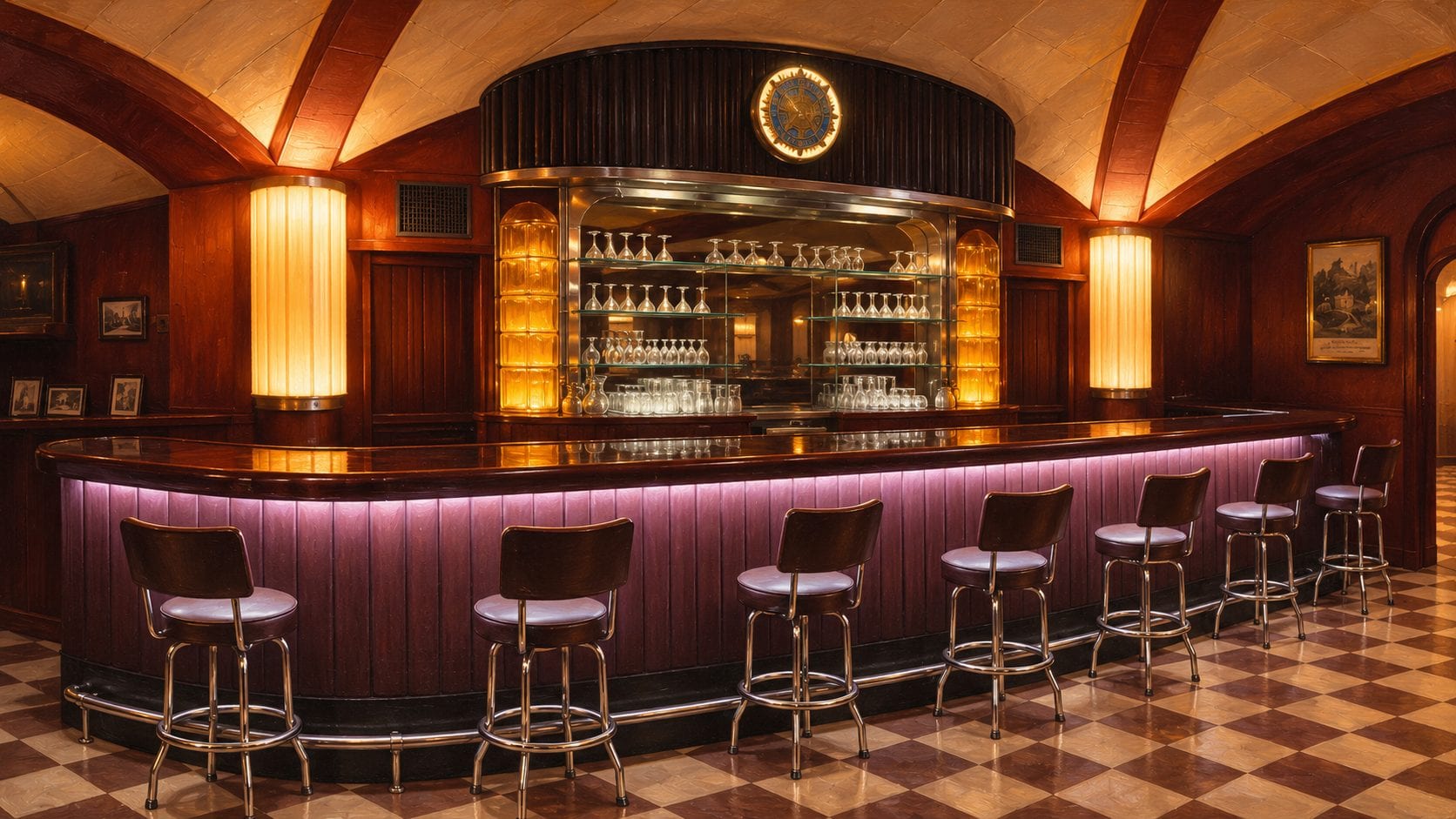
The memorial purpose is important to keep in view. Distinctive decoration and entertainment spaces did not make the building’s veterans’ identity incidental. They gave that community a substantial and recognizable home. Hollywood’s interest in imaginative architecture was not confined to theaters selling tickets. Here, a veterans’ organization made its own contribution to the neighborhood’s collection of buildings that reward a second look. Cinema Was Already Part of the StoryWhy Is There a Movie Theater at Hollywood Post 43?Film exhibition has a long connection to the post. A 2018 American Legion account reports that executive committee minutes approved a projection machine in 1923 and that the 1929 clubhouse included a projection room. The theater’s later renovation therefore renewed an existing relationship. It did not simply attach a film attraction to an unrelated institution. For a post founded by veterans working in movies, showing films was a natural part of its cultural life. In 2019, the renovated Legion Theater served as a venue for the TCM Classic Film Festival. The American Legion’s report on that opening chapter describes the work behind its digital, 35mm and 70mm presentation capabilities. 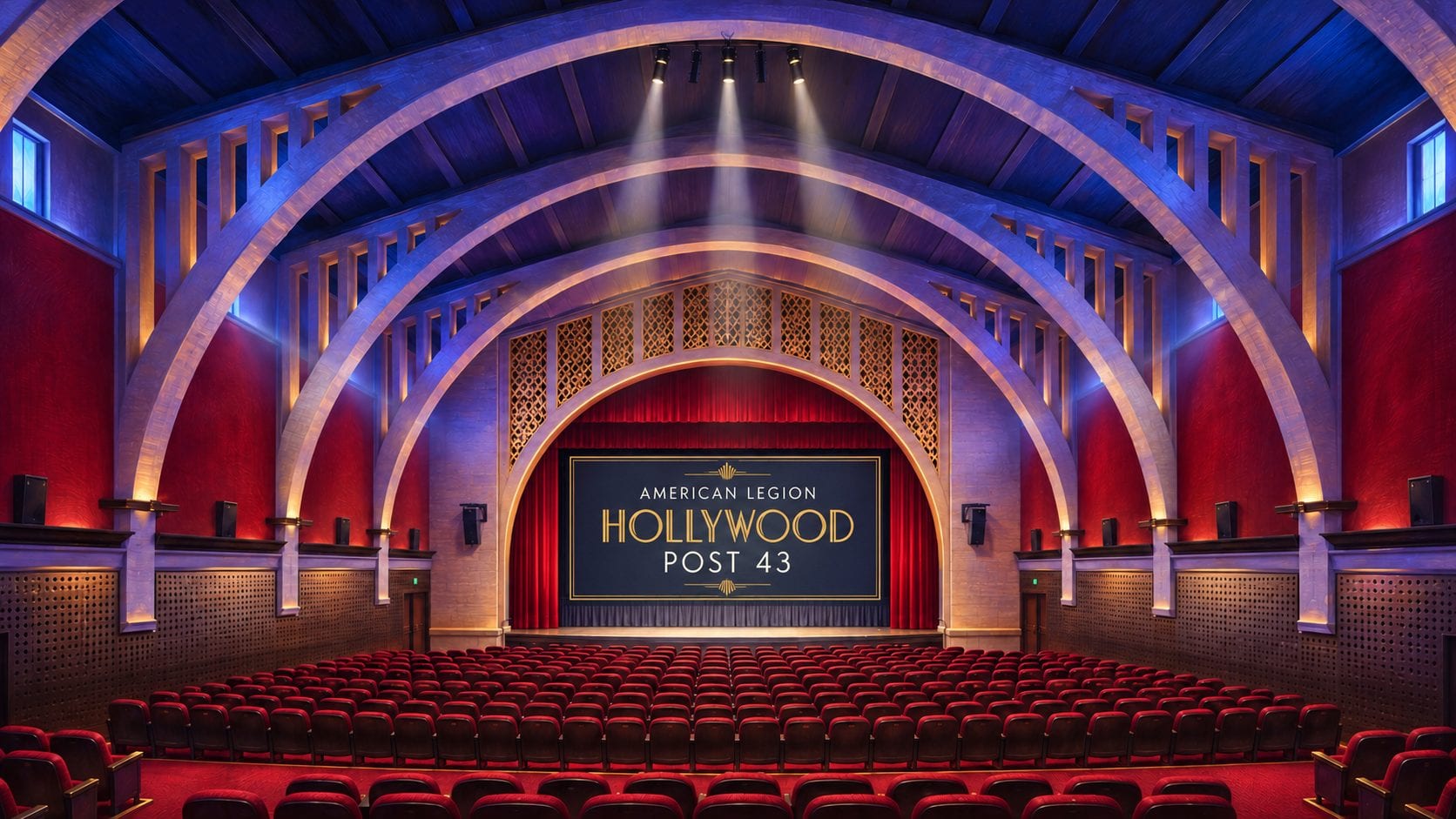
That technical range matters because film preservation involves presentation as well as keeping the physical film. A print needs suitable equipment and knowledgeable people to put it on a screen. The renovation connected the building’s own history with the continuing craft of exhibition. HLP’s Egyptian Theatre story follows another strand of Hollywood’s cinema history. Post 43 adds a different perspective: the screening room as part of a veterans’ institution with responsibilities extending beyond the next show. Watch: Inside Hollywood Post 43The post’s own virtual tour was produced in 2020 by veterans and Sons of the American Legion members. It offers an interior introduction through the voices and skills of the people connected to the organization. The tour also illustrates the overlap between the post’s communities. Its production drew on filmmaking abilities while explaining a place built around service and fellowship. Treat it as a historical tour, rather than a statement of current access arrangements. The Work Beyond the Famous NamesThe post identifies Clark Gable, Gene Autry, Mickey Rooney and Stan Lee among its past members. Their names help explain the depth of its connection to Hollywood, but a clubhouse’s usefulness cannot be measured by its best-known membership cards. The post describes its members’ service work as helping veterans access VA benefits and care, addressing financial hardship and raising money for college scholarships. Those activities give a practical meaning to the fellowship that brought the organization together: shared experience can become help with problems that continue after military service. 
Its veteran resources page directs readers to accredited American Legion service officers for assistance with benefits questions. It also gathers connections to county veterans’ services, education resources and other organizations. These are routes to current information, rather than a promise that every service is available inside the clubhouse. The service story extends to younger neighbors through support for youth programs, including JROTC and scholarships. Those connections place the post within the wider life of Los Angeles, beyond its membership and screening audience. A preserved clubhouse can hold a remarkable past while giving people a place to organize useful work in the present. Who Can Join Hollywood Post 43?Post 43’s American Legion membership information explains that eligibility generally includes people who have served federal active duty in the U.S. Armed Forces since December 7, 1941, and were honorably discharged or are still serving. The American Legion Auxiliary and Sons of the American Legion are separate membership organizations with their own requirements for qualifying family relationships. Ask the post which membership route applies and what documentation is needed. Membership eligibility is distinct from admission to a particular public event. Understanding Public AccessCan Nonmembers Visit Hollywood Post 43?Public access depends on the particular event or arrangement. The clubhouse is private, so a ticketed screening, announced program or authorized visit should not be taken as permission to explore every room. Check the post’s official information for current events and visitor requirements before planning a trip. Historical tours and older festival coverage can explain the building without establishing what is available on an ordinary afternoon. Post 43 gives Hollywood another way to understand its landmarks. The theater screen is part of the attraction, but the building’s enduring story begins with the people who needed somewhere to gather after serving, and continues with the community they built. |
0 Comments
Join the conversation
Be the first to comment
Share your thoughts above.