Hollywood Studio Club: A Historic Home With a Continuing Mission for Women |
The Lodi Place landmark links the women who came to work in early Hollywood with a continuing need for housing and support. |
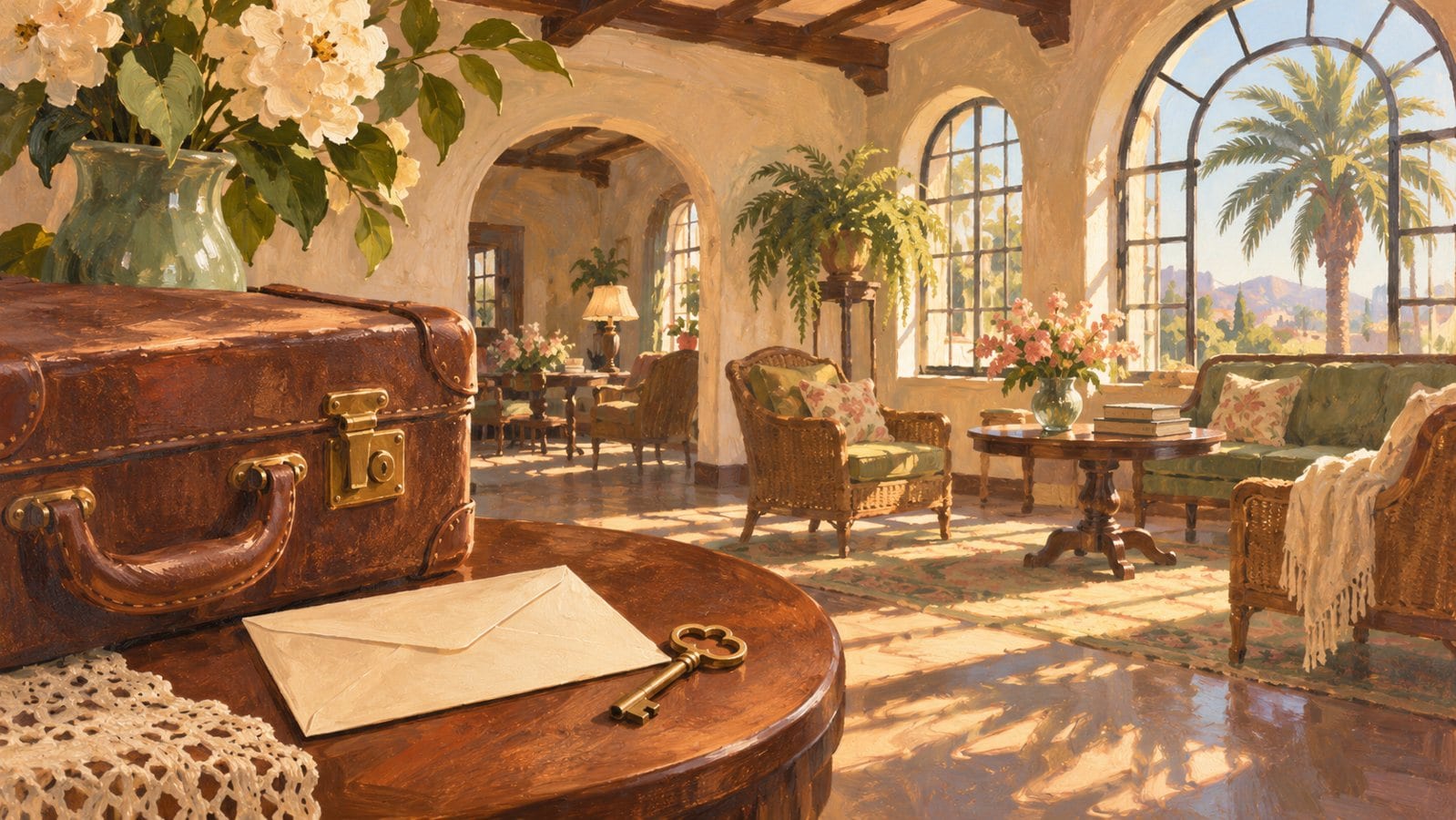 Hollywood history is full of arrivals. The train pulls in, the suitcase comes down, and a young woman steps into a city that has already promised her a remarkable future. The less cinematic question follows soon enough: where will she live? The Hollywood Studio Club belongs to that part of the story. The landmark at 1215 Lodi Place connects women seeking work in the early film industry with a continuing need for housing, community and support. Its history is richer when the famous former residents share the frame with everyone else who needed a place to begin. A Home Before a Household NameWhy Was the Hollywood Studio Club Founded?The YWCA established the Club in 1916 to provide a residence for women pursuing work in Hollywood. As CSUN University Library’s archival history explains, the need extended beyond aspiring actresses to women seeking other jobs in the film industry. The arrangement offered temporary housing, meals and opportunities to develop skills and friendships. Residents could stay for a short period or, under the historic rules, as long as three years. That combination matters. A room could solve an immediate practical problem; a community could help a newcomer make sense of an unfamiliar city. The support was part of the story, rather than background scenery while someone waited to be discovered. 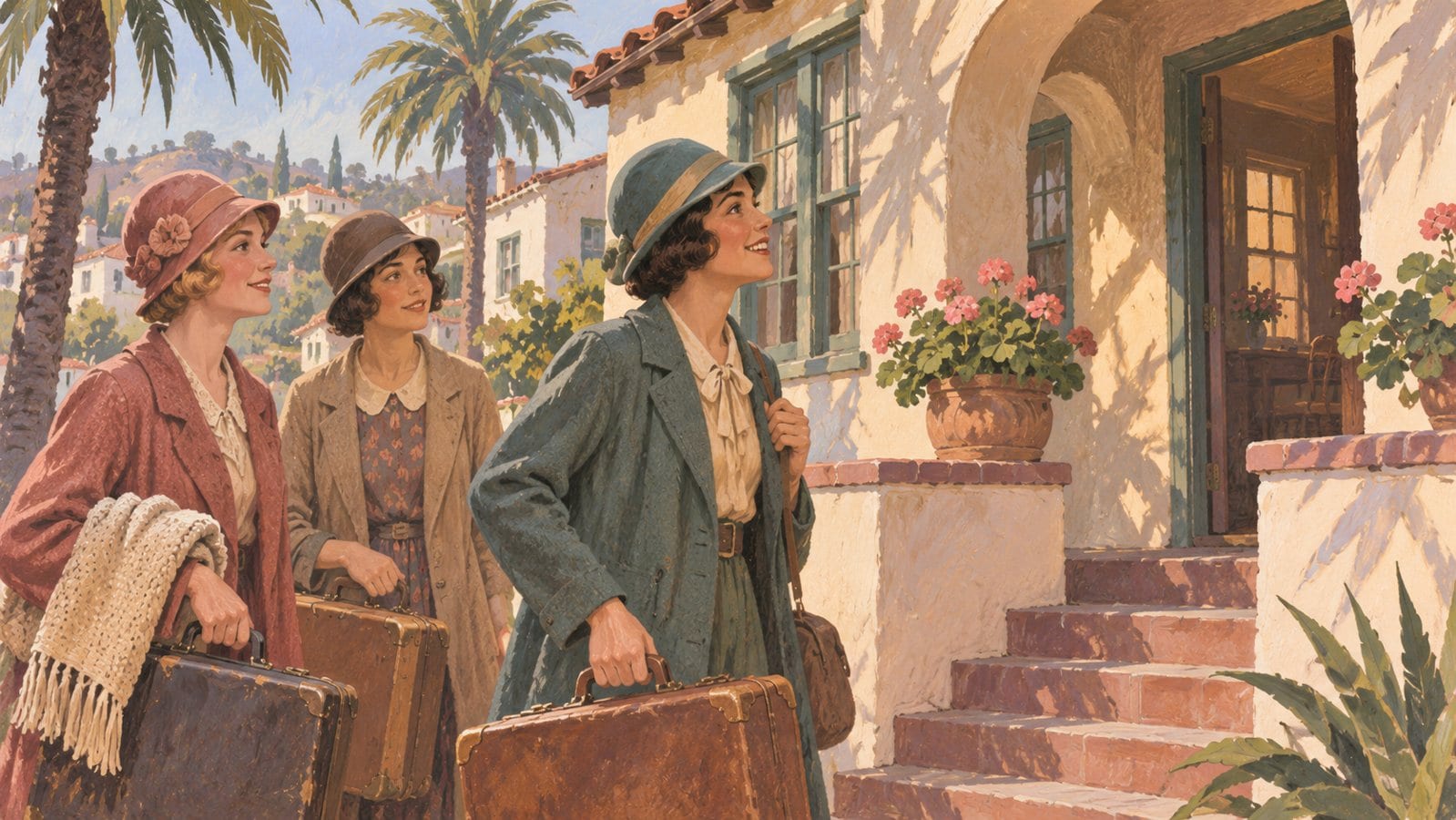 Which Famous Women Lived at the Studio Club?YWCA Greater Los Angeles identifies Marilyn Monroe, Rita Moreno and Barbara Eden among its former residents in its history of the building and its continuing work. Those names offer a recognizable entry into the subject. They should not become the entire subject. A residence built around women’s working lives has a wider history than its celebrity list can hold. The Club’s significance includes the women who found employment behind the scenes, changed plans or built lives that never appeared in a studio publicity campaign. Hollywood’s story contains all of those outcomes, even when the souvenir version leaves them out. Julia Morgan Gave the Mission a BuildingWho Designed the Hollywood Studio Club?Julia Morgan designed the Club’s purpose-built Lodi Place home, which opened in 1926. The organization itself began in 1916. The National Register record recognizes the building’s architectural, social-history and performing-arts significance. The nomination describes a stucco-covered, reinforced-concrete building arranged around an open courtyard, with an Italian and Mediterranean Renaissance Revival design. Its entrance arches and tile roofs belong to a carefully composed residential setting. That is a useful way to understand its place in the neighborhood. The building was designed to accommodate daily life, with shared space as well as individual rooms. Its importance comes from the relationship between architecture and the people it was meant to serve. The historic resource was listed on the National Register in 1980. The designation recognizes the building’s significance; it should not be confused with the founding of the Club or the opening of the Lodi Place residence. 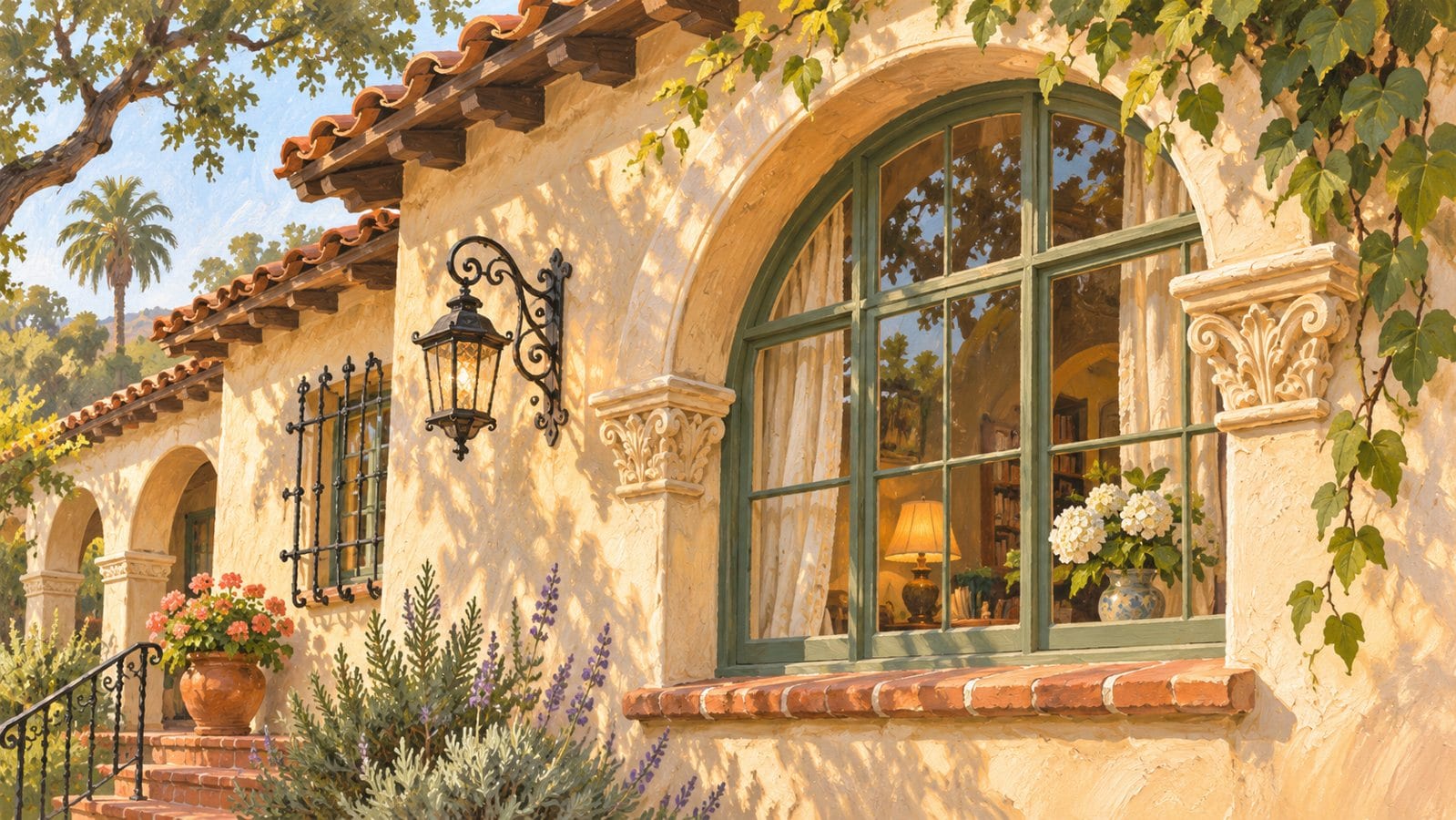 When Did the Original Hollywood Studio Club Close?The original Hollywood Studio Club closed in 1975, according to the National Register nomination, which also describes later changes to the building’s use. The original residential club and the building’s subsequent service programs are different chapters. That distinction protects the story from an appealing but inaccurate shortcut. The site has a continuing connection to helping women, but its programs, residents and operating arrangements have changed over time. A Different Chapter, With a Familiar NeedWhat Is the Hollywood Studio Club Used for Today?YWCA’s published account describes the property as a location for its staff offices and interim housing for women experiencing homelessness, through a partnership with People Assisting the Homeless, known as PATH. Its 2025 organizational program materials also identify the Studio Club’s housing partnership with PATH and the City of Los Angeles. That gives the landmark a service story alongside its preservation story.  The connection across the years is the need for a stable place to live. The circumstances are different: a historic residence for women pursuing film work should not be presented as the same program as contemporary interim housing. Nor should a history feature imply that a bed is available, that a visitor can arrange admission at the door or that an old description contains today’s requirements. Anyone seeking current service information should contact the responsible organizations directly. Watch: The Club’s History in YWCA Staff VoicesYWCA Greater Los Angeles’ 2024 video connects the building’s past with its service role through staff perspectives. It provides organizational context, rather than current admission instructions or a public-tour invitation. Produced by YWCA Greater Los Angeles, 2024. Program details in the video reflect that period. Can Visitors Tour the Hollywood Studio Club?Treat it as a working residential and service property. This article does not establish public touring access. Ask YWCA Greater Los Angeles through its contact page about any specifically announced public program before planning a visit. Respecting that boundary is part of appreciating the place. Its present-day occupants deserve privacy, just as the women in the historical record deserved to be understood as people rather than possible celebrities. The History Continues in the ArchivesFor readers who want to go deeper, CSUN’s YWCA collection finding aid describes Studio Club records including administrative materials, photographs and scrapbooks. These are routes into research, not a guarantee that every item is digitized or immediately available online. The records invite a wider view of Hollywood: people learning a city, finding work and making a community while the industry around them grew. Their ordinary routines deserve attention alongside the careers that became famous. The Studio Club’s enduring interest lies in that overlap between a historic building and a human need. Hollywood can remember the names that became stars while also remembering the value of a room, a welcome and somewhere to belong. HLP’s High Tower Court story offers another perspective on the residential architecture that helps give Hollywood its character. These histories become more meaningful when we remember that memorable buildings also remain part of people’s lives. |
0 Comments
Join the conversation
Be the first to comment
Share your thoughts above.