Beyond the Dinner Line: How Hollywood Food Coalition Turns Surplus Into Support |
A nightly meal in Hollywood is one part of a larger network connecting rescued food, local volunteers and community organizations. |
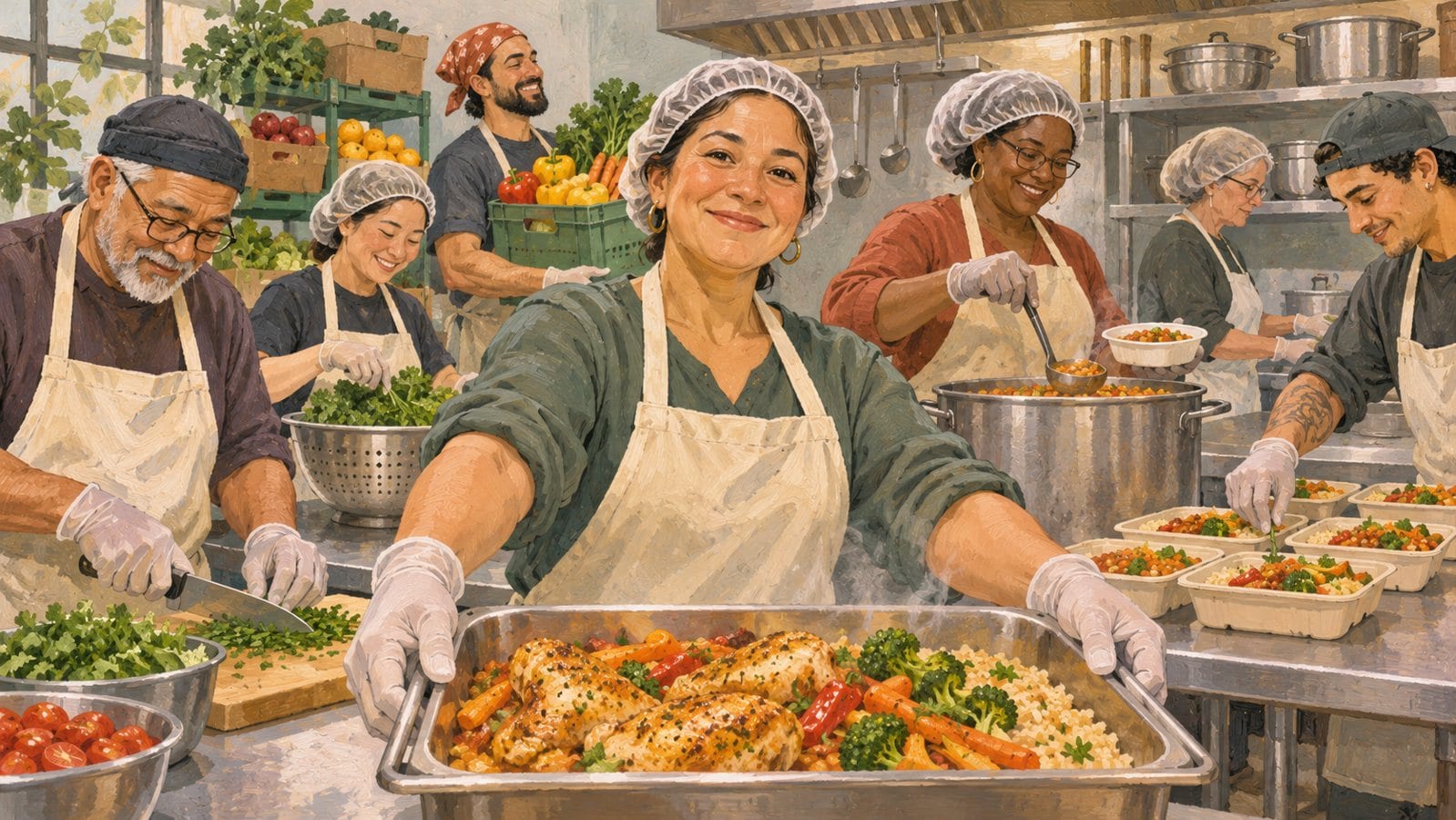
A meal is the part people can picture. The work that gets it to the table is a whole other neighborhood story. At Hollywood Food Coalition, that story connects a nightly dinner with rescued ingredients, volunteers and organizations serving communities across Los Angeles. A box of produce can begin as a business’s surplus and become part of somebody else’s supper. It sounds simple until you consider everything that has to happen between those two moments. Food needs to reach the right place, in a usable quantity, while there is still time to use it. The Commitment Started With DinnerWhat Does Hollywood Food Coalition Do?The organization has two closely connected roles: serving meals directly and helping other groups obtain food. Its official history traces the beginning to October 1987, when neighbors organized around the need to feed people experiencing homelessness. The original name was Greater West Hollywood Food Coalition. As the effort grew, donated ingredients helped turn a basic meal service into a hot-dinner operation. Food rescue became part of the organization’s identity, alongside the commitment to keep serving. That history is useful because the present-day network can be easy to misread. The dinner and the distribution program share a mission, but they serve people in different ways. Knowing which program to contact saves an unnecessary trip. 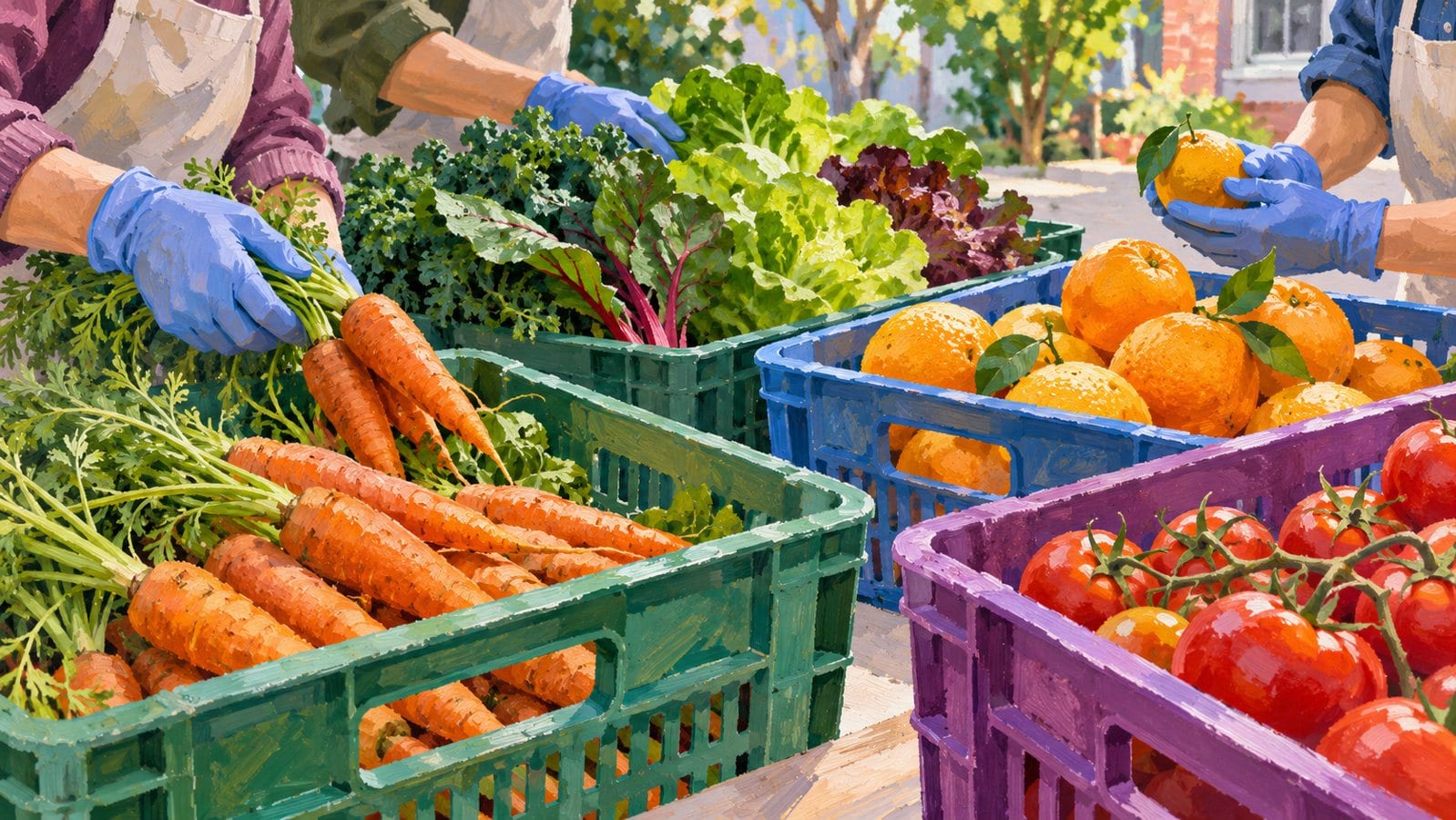
Where Can I Get a Free Meal in Hollywood?The organization’s contact page lists the dinner location at 5939 Hollywood Boulevard. Before traveling, check its current meal information for service times and any location updates. Hollywood Food Coalition describes its Community Dinner and Wellness program as a hot, chef-prepared meal every evening, without an eligibility interview at the door. Its welcome extends to anyone who joins it for dinner. The program emphasizes choice and dignity, including meat, fish, vegetarian and vegan options. Menus depend on what comes into the kitchen, so this is not a fixed restaurant menu that can be reproduced indefinitely. Food insecurity does not always look the way people expect. A reliable meal can matter to someone without housing, someone between paychecks or a neighbor whose grocery budget simply will not stretch far enough. 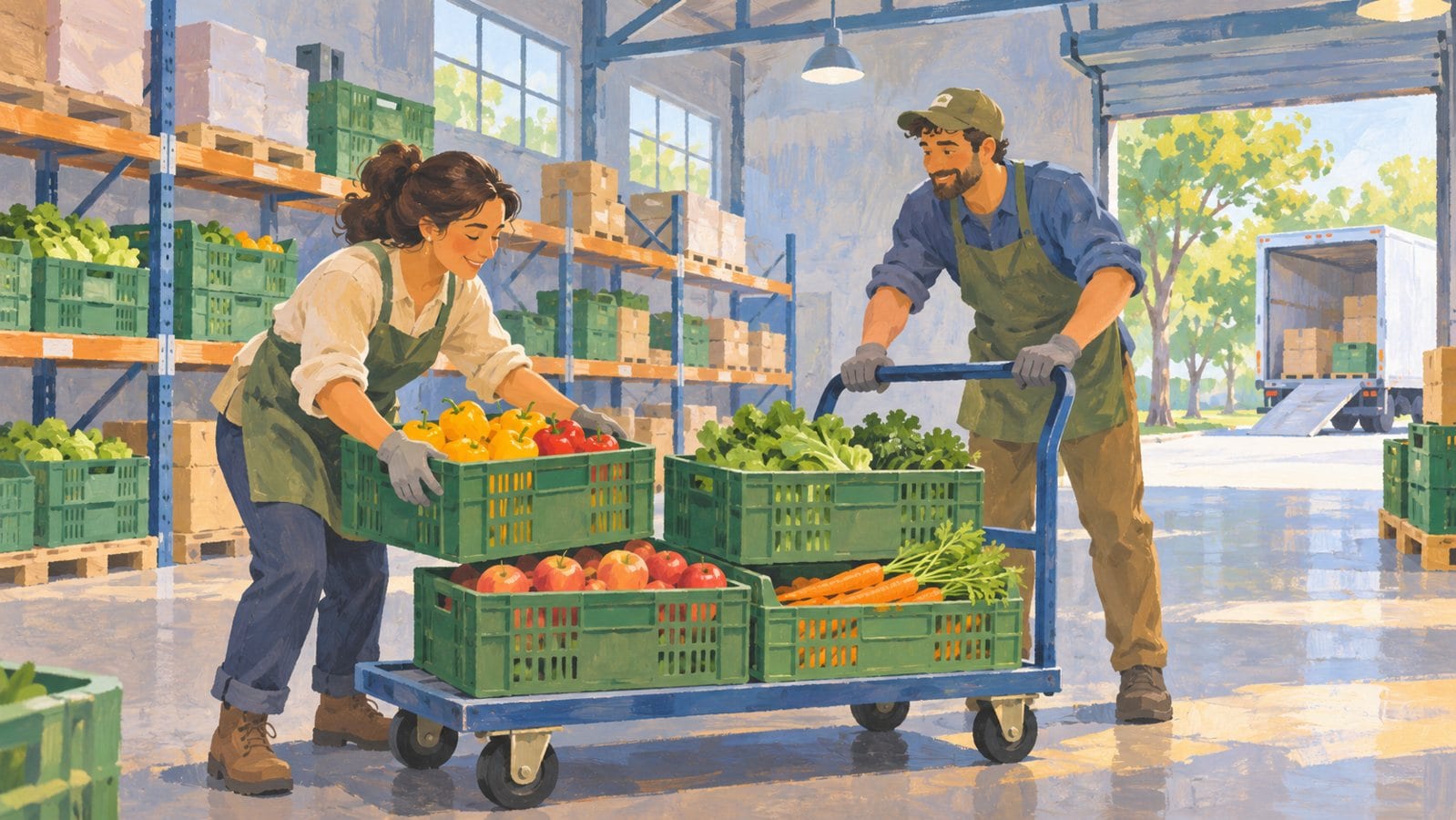
The Network Beyond One KitchenWhat Is the Community Exchange?The Community Exchange recovers food and redistributes it to community-based organizations. It grew during the COVID-19 pandemic, adding a distribution network to the Coalition’s direct meal service. Its approach pays attention to what a partner can actually use. A small organization may need different quantities, ingredients or pickup arrangements from a large institutional kitchen. Flexible scheduling and tailored orders are central to the Exchange’s description of its work. That distinction can decide whether donated food becomes a useful resource or another logistical problem. A generous delivery is most helpful when the receiving organization has the people, storage and program to put it to work. The Exchange’s benefits therefore travel beyond the Hollywood dinner table. Food can support a partner’s own meals or other community services, while that group continues doing the work it knows best. Can Individuals Pick Up Groceries at the Exchange?No. The Coalition’s recipient information specifies that the Exchange works with organizations and does not distribute food to individuals. People seeking a free meal are directed to Community Dinner instead. The two locations are different, too. The Exchange is listed at 3056 Roswell Street, Los Angeles 90065, outside Hollywood. It should not be confused with the dinner site on Hollywood Boulevard. For a nonprofit interested in receiving food, the recipient page is the appropriate starting point. It explains the program and provides a way to discuss whether the organization’s needs fit the service. Watch: How the Exchange WorksHollywood Food Coalition’s own video introduces the Community Exchange model and the organizations it supports. Any totals mentioned describe the program when the video was produced, rather than a current running count. Produced by Hollywood Food Coalition. Historical program totals should not be read as current figures. Where Neighbors and Businesses FitWhat Food Can People Donate?The Coalition’s food donation guidance distinguishes business donations from individual contributions. Businesses such as restaurants, caterers, wholesalers and grocery stores can contact the Exchange about produce, prepared food and other accepted items. Individuals are asked to provide unopened, unexpired food. The practical next step is to consult those instructions before packing a car or arranging a large delivery. Current needs, receiving arrangements and staff coordination matter as much as the impulse to help. For a business, thinking about donation before surplus becomes an end-of-day scramble can make the conversation more useful. For a household, following the posted guidance keeps the contribution focused on what the organization can actually accept. How Can Someone Volunteer?For food-rescue and distribution volunteering, the Coalition’s Exchange volunteer page provides a signup calendar and explains experience requirements, age rules and shift expectations. If you would rather help prepare or serve the nightly meal in Hollywood, use the separate Community Dinner volunteer signup. It covers meal preparation and service, with its own guidance for volunteers. Check the location and requirements for your chosen shift, since the dinner and Exchange programs operate at different sites. Choose a scheduled opportunity that fits your availability and review its instructions before arriving. A dependable shift is a concrete contribution, whether or not it makes for a particularly dramatic social-media post. 
More Than a Full PlateThe dinner program also connects guests with wellness and support resources through staff and partner organizations. Those connections may include on-site services or referrals; a meal does not guarantee that every service or a housing placement is available that evening. The larger idea is easy to recognize. People are more than the immediate problem that brought them through a door, and help can begin with a welcome rather than a stack of assumptions. Hollywood has plenty of places where food is part of the entertainment. This is a different kind of neighborhood table: one sustained by showing up, using what is available and making sure a good meal has somewhere to go. For another view of food and neighborhood connection, HLP’s story about Sunday mornings on Ivar Avenue explores the community life around the farmers’ market. |
0 Comments
Join the conversation
Be the first to comment
Share your thoughts above.